
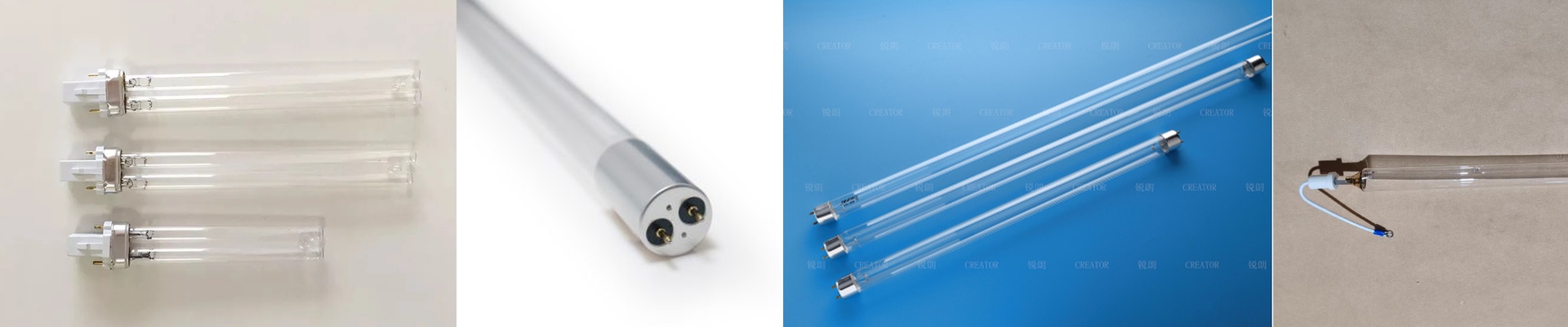


Dealing with Electrical Noise in High-Density UV Lines
If you’ve got a few large-scale printing presses running in one shop, you know exactly how loud it gets. I’m not just talking about the noise you can hear, but the electrical noise you can’t. Most UV lamps just can’t handle it. They flicker. They trip. The ballasts get overwhelmed by the electromagnetic interference (EMI) screaming off the neighboring motors and high-voltage lines. It’s a headache. That’s why we built our lamps to actually hold their own. Keeping the signal clean We spent a lot of time on circuit isolation. In a real factory, you get these “ghost” currents that leak into the power supply. That’s usually when your lamp starts to arc or the intensity starts jumping around. To fix that, we used reinforced shielding and filtered power inputs to block out the noise. It means your lamp stays lit and the output stays flat, even when three other presses are cranking their motors right next to you. The trade-off Here’s the thing: you can’t get this kind of stability with cheap, generic parts. To make these lamps bulletproof, we had to use heavier-duty components in the power supply. This means the housing is a bit bulkier. It takes up a little more room on your floor. But honestly? It’s a fair trade. I’d rather have a slightly larger box than a lamp that crashes in the middle of a massive run. What this actually means for your shop When your lamps flicker, your ink doesn’t cure. Simple as that. You end up with wet spots, smears, and a whole lot of wasted paper heading for the scrap bin. Our lamps take that worry off the table. You wire them up, set your intensity, and they just stay there—no matter how much electrical chaos is happening around them. If EMI has been killing your uptime, these are a straightforward fix.