
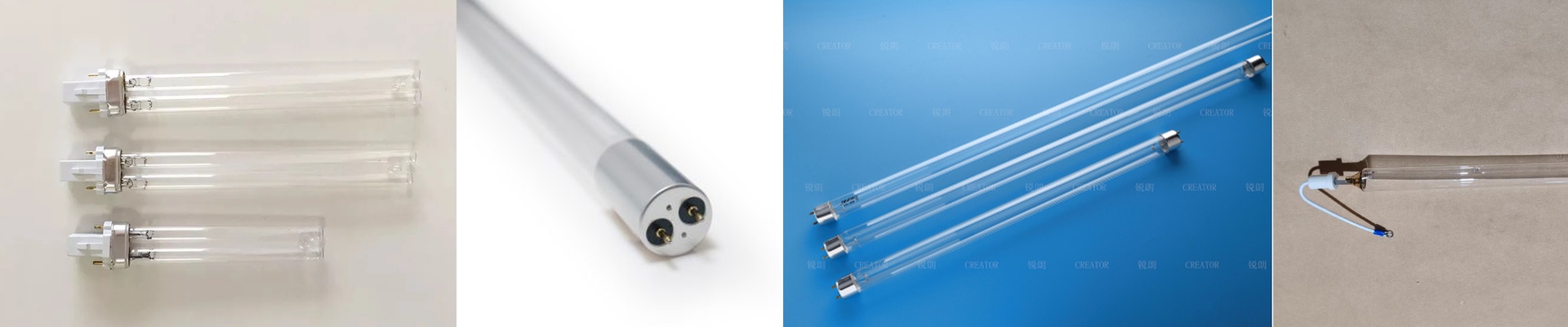


Why Your UV Lamps are Letting You Down (And How GaI Fixes It)
We spent a lot of time walking the floors of about 3,000 different printing plants. We wanted to know why standard UV lamps keep failing when things get busy. Turns out, there’s a common headache: standard mercury lamps just can’t punch through thick ink or those fancy specialized coatings fast enough. That’s exactly why we started leaning into Gallium Iodide (GaI). The science part, kept simple. Mercury lamps usually peak at 254nm. GaI lamps push that output further, into the 300nm to 400nm range. Why does that matter? Because those longer wavelengths actually dig deeper into the ink. It stops that annoying “skinning” effect—you know, where the top looks dry but the bottom is still tacky and ruins everything. You get a cure that goes all the way through. How we actually build them. High-speed lines generate a ton of heat. To handle that, we use high-purity quartz for the envelope. If you use cheap stuff, you get “solarization”—that cloudy look that creeps in over time and kills your UV output. We also obsessed over the strike times. Nobody wants to waste a mountain of substrate just waiting for a lamp to stabilize. By tightening the tolerance between the electrode and the gallium iodide fill, we kept the arc stable and the startup fast. The “Gotchas” (Read this before installing) Here’s the thing: GaI lamps run hot. Really hot. That extra power can actually warp cheap reflectors. You have to make sure your cooling fans and heat sinks are up to the task. If your airflow is weak, you’re just fast-tracking your lamp to an early grave. And a quick tip on the wiring: check your ballast. It needs to be tuned for gallium’s specific impedance. If they don’t match, you’ll get a flicker, or worse, the tube will just pop the second you flip the switch. It usually drops right into your existing system, but only if your power supply can handle the current draw. Double-check that first.