


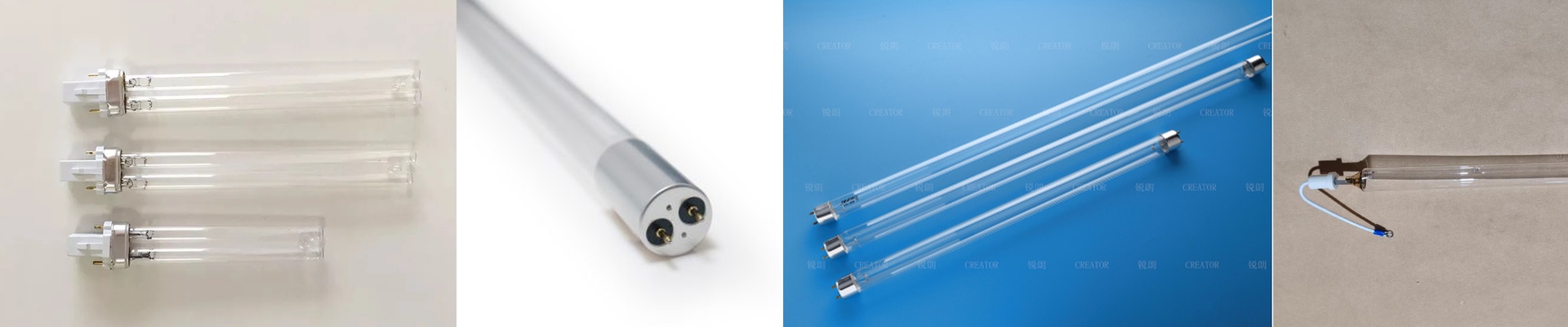

Let’s Stop Treating UV Lamps Like Disposable Trash
For too long, we’ve looked at UV curing lamps as “consumables”—things you just buy, burn out, and toss. It’s a cycle that creates a mountain of waste and a lot of headaches for the people running the lines. We want to change that. We’re moving toward building lamps that act more like long-term assets. The goal is pretty straightforward: zero-pollution production. But to get there, we had to rip up the blueprint and rethink everything from the materials to the way the electrodes are shaped.
Better materials, less junk in the landfill
Most standard lamps use materials that break down fast or leak toxins when they’re thrown away. That’s a problem. We’ve switched to high-purity synthetic quartz and, whenever we can, mercury-free options. We also beefed up the glass wall thickness and reinforced the seals. Why? Because a tougher tube lasts longer. And the longer it lasts, the less hazardous waste your facility has to haul off to a landfill. It’s just common sense.
Built to actually last
If you’ve ever seen a clear quartz lamp turn black over time, you’ve seen “sputtering.” It kills your UV output and forces you to replace the lamp way too soon. To stop this, we focused on heat. We used advanced electrode coatings that fight off that sputtering and tweaked the internal gas mix to keep the arc stable. Now, you get a consistent stream of energy across the whole lamp, not just in patches. The real difference is in the schedule. Instead of swapping lamps every few hundred hours, these are built to handle the grind of a 24/7 production floor without flinching.
The “Catch” (And how to handle it)
The good news is that these are drop-in replacements. They fit into most existing UV arrays, so you don’t have to spend your weekend rewiring the entire rack. But here is the honest truth: a long-life lamp needs clean power. If your current ballast has a lot of voltage ripple, it’ll eat through these lamps just like the cheap ones. Dirty power causes the electrodes to pit, no matter how high-quality the materials are. To actually hit those high hour marks, you’ve got to make sure your electrical input is steady. Keep the power clean, and these lamps will take care of the rest.