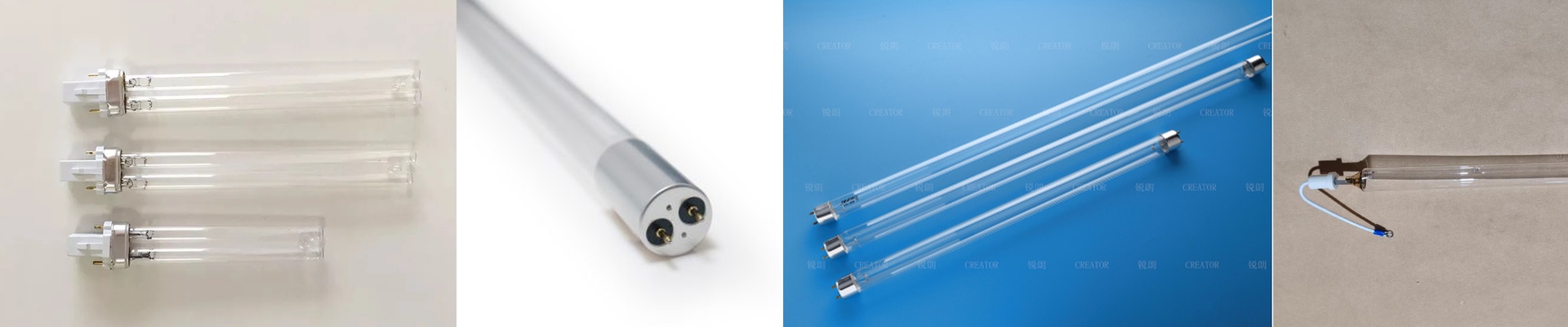


Getting the Light Right: The Real Story Behind Our Quartz UV Tubes
We don’t just blow glass here. We’re actually playing with light. In our shop, everything comes down to a tiny margin. A few nanometers can be the difference between a lamp that just “works” and one that actually does the job. When you’re ordering these tubes in bulk, you aren’t just buying a piece of hardware. You’re buying a very specific kind of energy.
The secret is in the quartz
Here’s the thing: not all glass is created equal. If we used standard fused silica for deep UV work, it would soak up too much energy in the short-wave range. That’s a recipe for disaster. We stick to high-purity synthetic quartz because it lets the light through without fighting it. If the quartz is “dirty” with impurities, the tube gets too hot and burns out way too fast. We spend a lot of time tuning the gas fill and the electrodes to hit that perfect peak wavelength. Why? Because “spectral drift” is a nightmare. It can throw off an entire curing line or leave a sterilization process half-finished.
Dealing with the heat
Pushing high wattage through a thin quartz tube creates some intense heat. It’s a lot of stress on the material. We build our tubes to handle those rapid heat-up cycles so they don’t just crack under pressure. The real danger zone is the seal where the electrodes meet the quartz. That’s usually where things fail. We use specific fusing techniques to make sure those joints stay airtight, even under a vacuum. Now, you might notice some of our higher-intensity lamps have thicker walls. That’s a bit of a trade-off. The thicker glass is tougher and won’t break as easily, but it can dampen the UV output just a tiny bit.
Making it work in the real world
We want these to be simple drop-in replacements. We obsess over the footprint and the pin layout so you can just wire them up and go. You shouldn’t have to mess around with your ballast just to get a light to turn on. One quick tip: if you’re upgrading from a low-output tube to a high-intensity one,**check your cooling fans.**These things put out a lot more heat. If your airflow isn’t up to the task, you’ll end up baking your reflectors. And nobody wants that.