


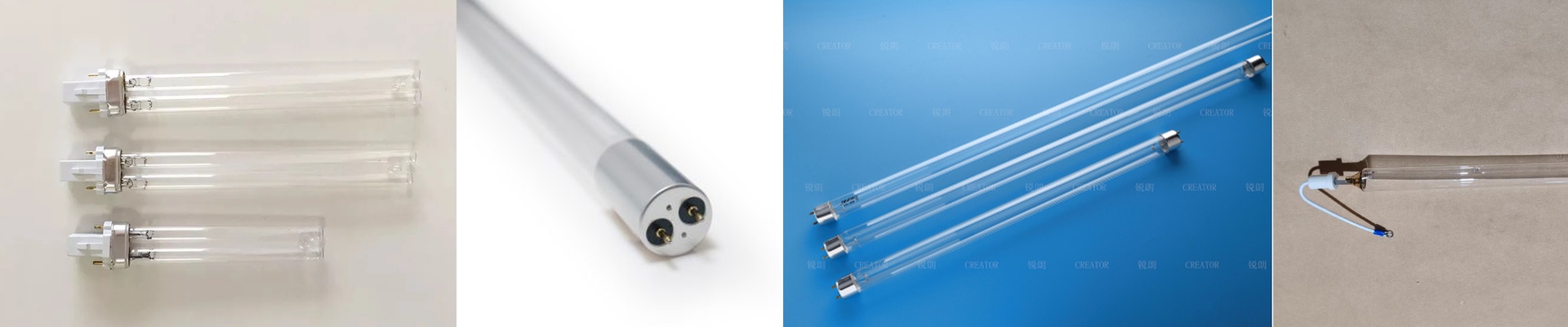


The Real Deal on 120W/cm Mercury UV Lamps in Textiles
Most people think textile work is all about needles and thread. But if you’ve ever spent time on a production floor, you know the real magic happens during UV curing. It’s the quiet workhorse of the whole operation. We use 120W/cm mercury UV lamps to basically “freeze” inks, coatings, and adhesives in place. Let’s talk about the power. That 120W/cm number isn’t just a spec on a sheet—it’s the actual punch the lamp delivers to the fabric. Mercury vapor lamps are the go-to here because they hit those specific UVC and UVB notes perfectly. It’s like a chemical light switch. One second you have a wet, messy liquid; the next, it’s a rock-solid, wash-resistant finish. It happens in a blink. The hardware side of things. We use high-purity fused quartz for these lamps. No shortcuts here. Standard glass would just soak up the UV radiation and probably shatter from the heat. Quartz lets the shortwave UV fly right through, which keeps the lamp alive and the output strong. But you can’t just plug these things into a wall and hope for the best. You need a solid ballast. If your power flickers or fluctuates, you’ll get “striation”—basically ugly, uneven streaks across your fabric. Nobody wants to scrap a whole roll of material because the power supply was cheap. What actually happens on the shop floor. These lamps are beasts. They’re designed for high-speed lines where you can’t afford to slow down. But there’s a catch:Heat. A 120W/cm load puts out a ton of infrared radiation alongside the UV. If your cooling fans are weak or your conveyor is crawling, you’re going to scorch the fabric. Or worse, warp the whole substrate. It’s a balancing act. You have to dial in your line speed and the lamp’s output just right so the ink sets perfectly without burning the clothes. It takes a bit of feel, but once you hit that sweet spot, it’s a breeze.