


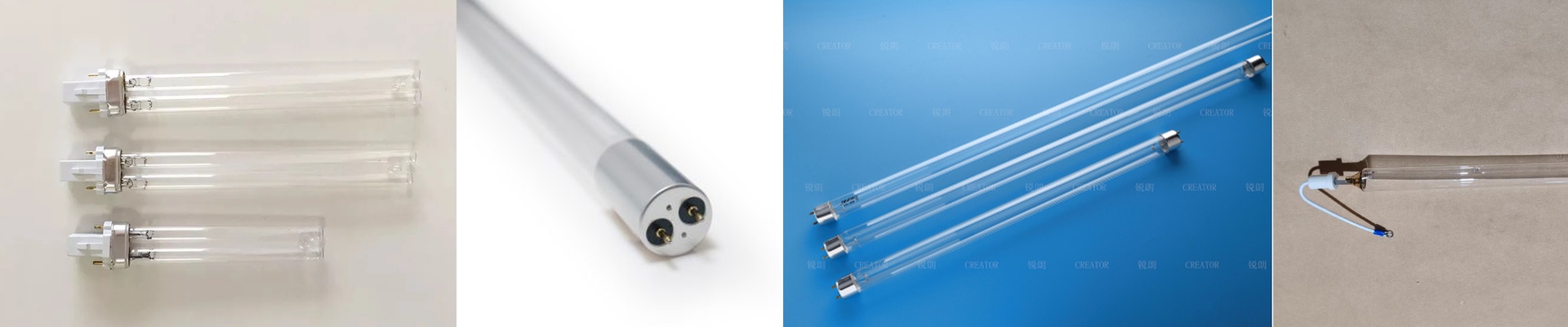


Why “Off-the-Shelf” UV Lamps Usually Fail Your Press
We’ve spent time in about 3,000 different printing plants. A lot. And if there’s one thing we learned, it’s that standard, catalog-bought UV lamps usually aren’t built for the real world. Most of them completely ignore how much heat your press actually generates or how fast your line is really moving. When we build custom lamps in our China facility, we stop looking at the spec sheets and start looking at the physics. The balancing act of power It really comes down to a tug-of-war between wattage and length. If you jam too much power into a short tube, the lamp burns out way too fast. But if you go too low? Your ink stays tacky, and you’re looking at a mess once the substrate hits the rollers. We don’t guess. We pick the electrode materials and the thickness of the quartz based on your specific line speed. Plus, high-intensity light creates a ton of heat. If your ventilation can’t keep up, a powerful lamp won’t help you—it’ll just cook your materials. Built for the shop floor, not a lab We’re tired of “one size fits all” connectors. They never actually fit. Whether you’re swapping out an old lamp or designing a new setup, the wiring has to be tight. Loose connections are a nightmare—they lead to arcing and blown ballasts, which means your press stops. We also use specific grades of quartz that fight off solarization. That’s just a fancy way of saying the UV output won’t tank after a few hundred hours of work. It stays strong. The honest trade-off Here is the truth: you can’t have it all. If you crank up the intensity to speed up production, you put way more stress on the ends of the lamp. You’ll get your ink dry faster, sure, but you’ll be replacing the bulbs more often. We help you find that sweet spot. You want a lamp that lasts long enough so you aren’t constantly dealing with downtime, but still hits the energy threshold your specific ink needs to cure. It’s all about picking the balance that fits your actual throughput.