
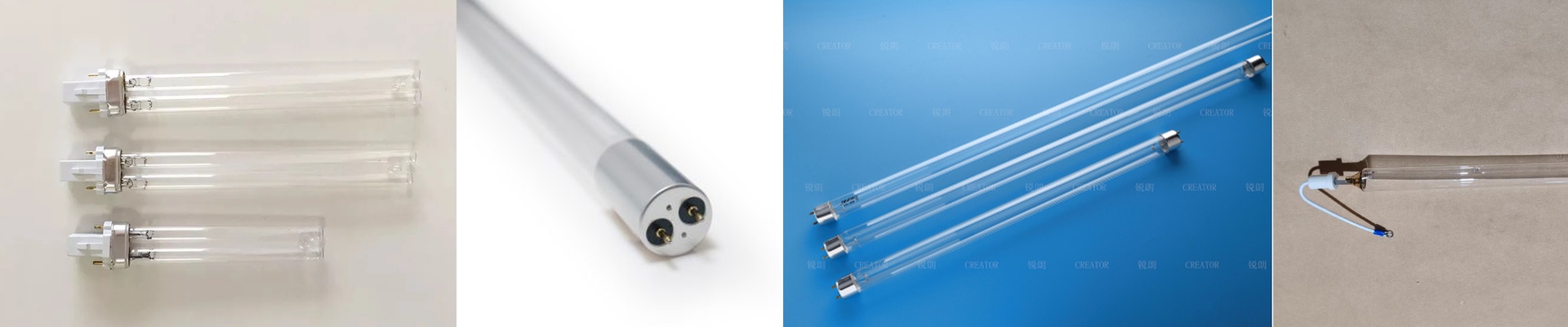


Let’s Talk Gallium Iodide Lamps (And Why the Details Actually Matter)
If you’re in semiconductor manufacturing or high-end industrial curing, you know Gallium Iodide (GaI) lamps are a different beast. They aren’t your run-of-the-mill mercury lamps. These things run on a very specific wavelength, which means the gas fills and the quartz envelopes have to be spot on. If they aren’t, the lamp just burns out before it even gets a chance to work.
Why CE Certification Isn’t Just a Sticker
I see a lot of buyers treat CE certification like a boring piece of paperwork. A checkbox. But in the UV world, it’s more like a safety net. For us at our factory in China, getting that certification means we’ve put our insulation, shielding, and heat management through the ringer. It’s the difference between a lamp that does its job and one that shorts out under a heavy industrial load—or worse, leaks something nasty into your cleanroom.It’s about peace of mind.
Getting the Integration Right
Here’s the thing: dropping these lamps into a global production line isn’t a “plug and play” situation. You have to be obsessive about your voltage and current. If your power supply is off by even a tiny bit, you’ll see the electrode start to pit or the quartz crack. We build our lamps to handle some fluctuations, but you’ve got to make sure your ballast matches the lamp’s impedance. And a word of caution: don’t try to “over-drive” a GaI tube just to squeeze out more UV output. You might get a boost for a moment, but you’ll kill the lifespan of the lamp by half.Not worth it.
The Heat Struggle
GaI lamps give you an intense, narrow spectral peak. That’s fantastic for targeted curing, but it comes with a catch: they get hot. Really hot. You can’t just slide these into a housing and hope for the best. Whether you’re using air-cooling or a water-jacket, your system needs to be ready for that thermal load. If the envelope overheats, the pressure inside spikes, and the lamp fails. Simple as that. That’s where the CE testing comes back into play. We’ve already pushed these limits so you don’t have to. It means when you wire these up in your facility, you can actually trust that they’ll hold up.