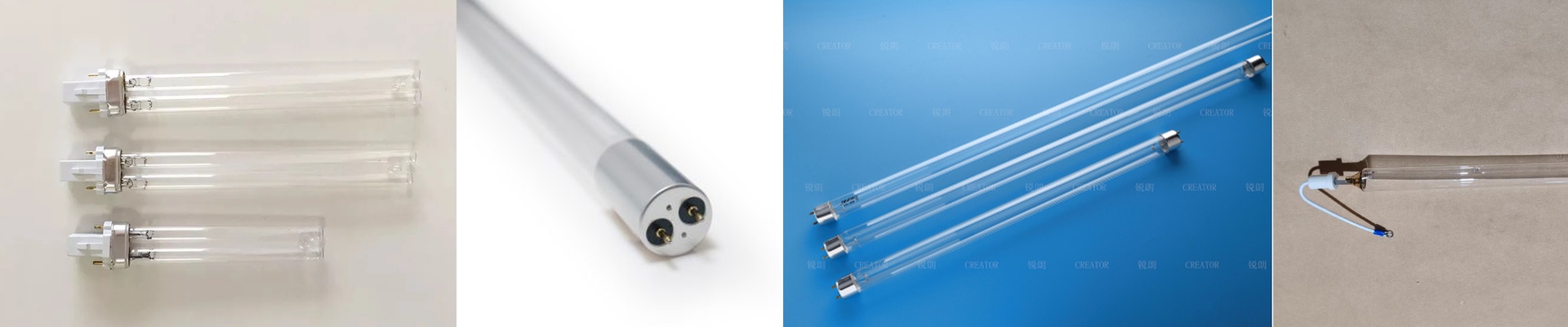


Dealing with Electrical Noise in Gallium Iodide UV Systems
If you’re running industrial printing, you know gallium iodide lamps are the go-to for those deep-cure jobs. But here’s the problem: when you’ve got a handful of massive presses all humming away in one building, the air gets thick with electromagnetic interference (EMI). It’s basically electrical noise. It comes from your high-frequency drives and those heavy motors. If your UV lamp isn’t built to ignore that noise, things go south. You’ll see flicker. The output gets jumpy. Or, even worse, your ballast just gives up the ghost way too early. Keeping things steady We design our lamps to actually handle the chaos of a real shop floor. In a multi-press setup, you’re dealing with voltage ripples and random spikes. It’s “dirty” power. We’ve tweaked the internal parts and the way the electrodes are shaped so the arc discharge stays rock solid. This stops the lamp from “hunting” for a stable voltage. When a lamp hunts, your UV output bounces around. We make sure it doesn’t. Fighting the noise on the floor Imagine ten presses running at once. That much EMI can absolutely wreck a standard UV tube. To stop that, we use shielded setups and very specific gas mixtures. The goal is to keep the lamp locked into its operating frequency. For you, that means your cure rate stays flat across the entire web. No more worrying about those annoying “stripes” that happen when the UV intensity dips for a split second. The catch Now, there’s a trade-off. To get this kind of interference resistance, you can’t just plug these into any old transformer. You need a power supply that can keep up. And here is the most important part:**your grounding has to be perfect.**If your plant’s grounding is a mess, no amount of fancy lamp engineering can fix that. We always suggest checking your earth leakage paths before you install these. It’s the only way to make sure the anti-interference tech actually does its job.