



On a high-speed garment line, the cure step is where throughput falls apart. If the lamps can’t keep up, the ink stays wet, transfers smear, and you’re stopping the line to recoat or scrap. Second-level curing isn’t a buzzword—it’s the hard line between a profitable run and a bunch of idle machines. That line is measured in photons, not hope.
What actually matters
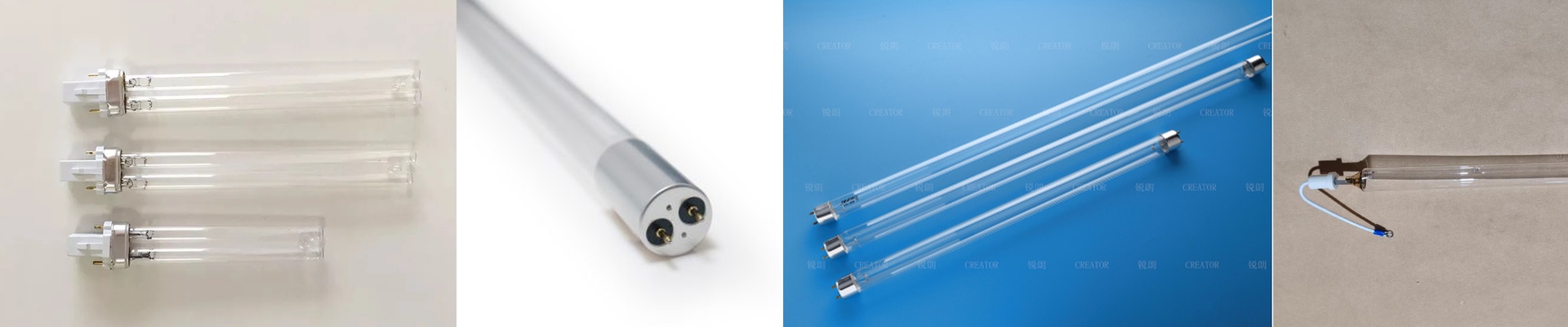
Gallium iodide lamps push the spectral output toward 385–405 nm, which lines up with the photoinitiators in a lot of UV inks and cuts down on the short-wave energy that adds heat. We spec a peak irradiance of 12–15 W/cm² at the substrate plane, and a curing energy density of 300–600 mJ/cm² in a single pass. The dichroic reflector focuses the output into a tight band, so you get more photon flux per joule and less thermal load on the substrate. Ozone-free operation comes from quartz with a controlled oxygen-blocking coating, which keeps the lamp head cooler and helps you avoid maintenance interruptions.
Why this fits apparel decoration
In apparel work, you need speed without giving up adhesion or wash resistance. The gallium iodide spectrum drives surface-to-bulk cross-linking, so the ink film cures through in seconds instead of minutes. That means higher line speeds, fewer rejects, and stable color registration because the print head isn’t waiting on the cure zone. Energy draw drops because the system is matched to the ink chemistry, not to a broad, wasteful spectrum. We’ve run lamps 5,000+ hours with under 5% output drop when the reflector geometry and power supply are stable.
The details that bite you
Installation comes down to spacing and cooling. Set the lamp-to-substrate gap at 10–20 mm, and make sure airflow holds the arc tube temperature in spec—overheating shifts the spectrum and shortens lamp life. Verify your power supply matches the lamp’s voltage and ignition profile, and confirm the printer controller can sync the shutter with web speed. Expect a warm-up period to hit stable spectral output—plan your changeovers around it, and you’ll avoid undercure on the first pass.