



Getting Your UV Lamps Right: What Actually Matters
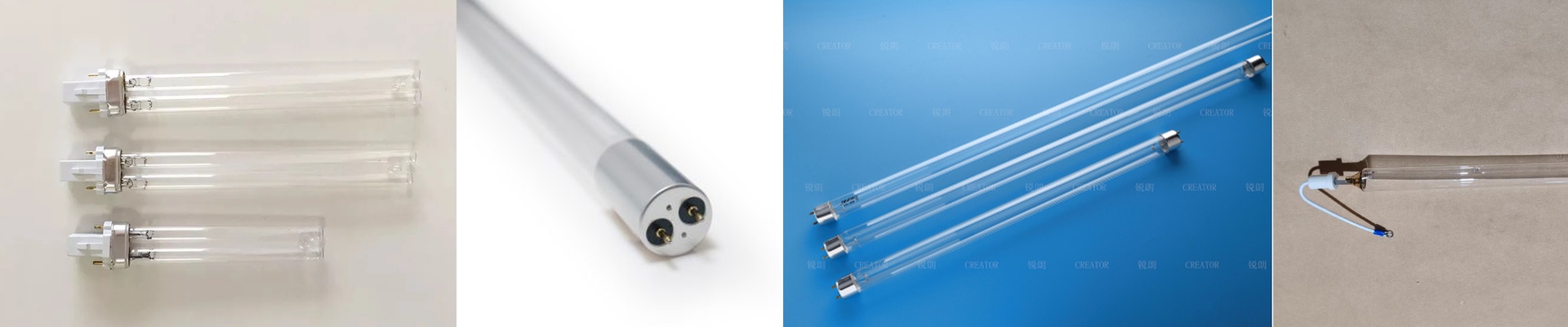
When you’re ordering germicidal UV bulbs in bulk, it’s easy to think of them as just glass tubes. But they aren’t. You’re actually paying for a very specific stream of photons. For industrial sterilization, we live and die by the 253.7nm wavelength. That’s the sweet spot where microbial DNA just can’t handle the hit. If that wavelength drifts even a tiny bit, your kill rate tanks. Simple as that. The gear inside the glass We use high-purity fused quartz for a reason. Regular glass blocks UV-C, which would make these bulbs useless. Quartz lets the radiation slide right through without losing its punch. We also keep a very tight leash on the wattage and voltage. Why? Because we don’t want your bulbs burning out before their time. Now, here is the trade-off: high-wattage lamps get hot. Really hot. If you try to “over-drive” the lamp to get more intensity, you’re just killing your electrodes faster. You’ve got to make sure your ballast matches the lamp’s impedance, or you’re just wasting money. Making them work in your space We built these to be drop-in replacements. No one wants to spend their weekend rewiring an entire rack. We focused on the pin layouts and end-cap seals so they just… fit. One quick tip: keep the quartz clean. A few oily fingerprints or a layer of dust can create “hot spots” or block the light entirely. Grab some 99% isopropyl alcohol and give them a good wipe-down during install. It takes two seconds and saves you a headache later. The proof is in the numbers We don’t do guesswork. We benchmark our lamps against the biggest global brands. If our output doesn’t match those big-name labels at the same price point, we’ll give you your money back. We stick to the hard data. We use calibrated radiometers to measure the microwatts per square centimeter ($\mu W/cm^2$), so you know exactly what you’re getting.