



Getting Your UV-C Bulbs Right (Without the Headache)
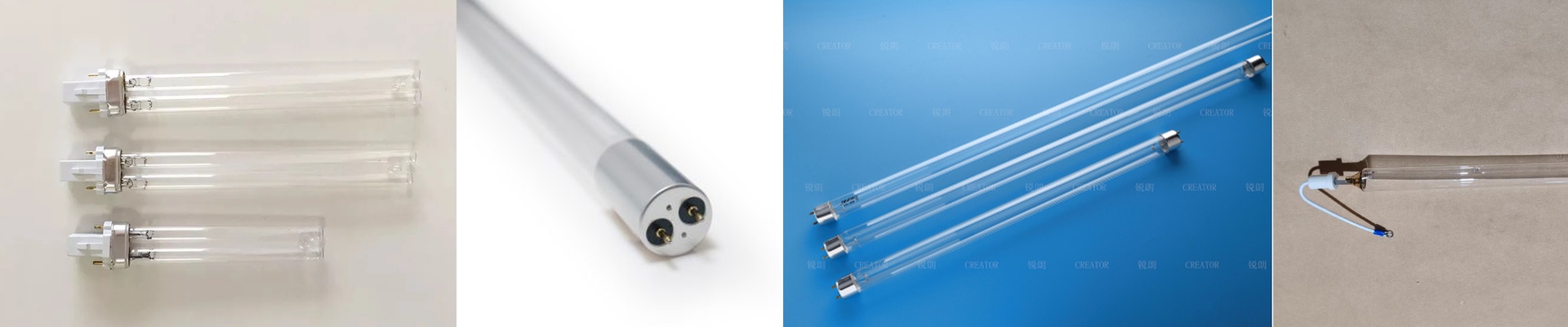
We spent some time visiting about 3,000 printing plants. We wanted to see where germicidal UV systems actually fall apart in the real world. Turns out, most off-the-shelf bulbs just aren’t built for the chaos of a production line. Between the constant vibration and the heat cycles, they just can’t keep up. When you’re buying these in bulk, you aren’t just shopping for glass tubes. You’re looking for a steady, reliable output that doesn’t tank after a few thousand hours. The tug-of-war between power and heat Most of these lamps run at 253.7 nm. The trick is finding the sweet spot between power and heat. Sure, cranking up the wattage means more photons, which lets you speed up your conveyor belt. But there’s a catch. If you jam too much power into a short tube, the internal pressure spikes. If your cooling fans aren’t up to the task, the quartz starts to stress. Once the temperature climbs too high, your UV output actually starts to drop. It’s a balancing act. Building things to actually last We stick with high-purity fused quartz because regular glass just blocks the UV-C. It’s useless. But here’s the real secret: the end-cap seal. In big industrial setups, that’s usually where things break. We use a reinforced pinch-seal so the vacuum stays tight, even when the machines are shaking the whole floor. Plus, these are designed to be simple drop-in replacements. You shouldn’t have to rewire your ballast just to get a new bulb in. A few tips for the floor If you’re wiring up a big array, double-check your ballast compatibility. If the voltage is off, you’re just fast-tracking your bulbs to an early grave. And a quick heads-up: these are built for continuous work, but they still hate dust. Keep a strict cleaning schedule for those quartz sleeves. A layer of dust acts like a filter, killing your effectiveness. It doesn’t matter how many watts your bulb is putting out if the light can’t actually reach the surface. Keep them clean, and they’ll do the heavy lifting for you.