
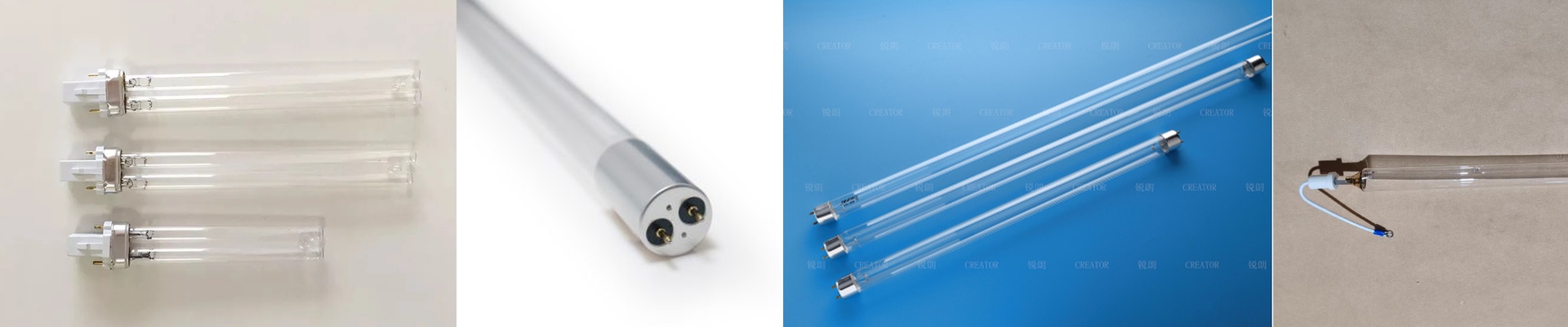


UV Lamps: Getting the Power Right Without the Headache
Depending on what you’re doing, you’re probably looking for either UV-C to kill germs or UV-A/B to dry adhesives and coatings. We build our lamps to hit those specific wavelengths hard, but we do it in a way that doesn’t fry the electrodes. When you’re picking your specs, it really comes down to a trade-off between wattage and tube length. That’s what decides how much “punch” (or irradiance) you’re actually getting.
The Heat Struggle
Here is the thing: high wattage equals a lot of heat. If you try to cram too much power into a short tube just to get more intensity, you’re going to overheat the quartz. It’s a recipe for disaster. We handle this on our end by tweaking the gas fill and the electrode shape so the lamp stays stable. But you’ve got a part to play too. Make sure your ballast matches the lamp’s strike voltage. If they don’t play nice, you’ll get flickering or—even worse—the lamp will just die early. Plus, keep in mind that while more intensity speeds up your line, your cooling fans are going to be working overtime.
Quality You Can Actually See
We use high-purity fused quartz. Why? Because cheap glass is basically a wall that blocks the shortwave radiation you’re paying for. We also keep our connectors standard. We want these to be simple drop-in replacements for the gear you already have. Just make sure they’re seated tightly in the socket. If they’re loose, you’ll get arcing at the base, and nobody wants that.
No More Waiting Weeks for Parts
If you’re in e-commerce, you know how this goes. A product goes viral overnight and suddenly you’re drowning in orders. You can’t afford to wait three weeks for a shipment while your production line sits idle. That’s why we keep a stash of our most popular UV models ready to go. We ship them out immediately. You can scale your production based on what’s actually selling right now, not some guess you made six months ago. We send the hardware, you wire it up, and you get back to work.