
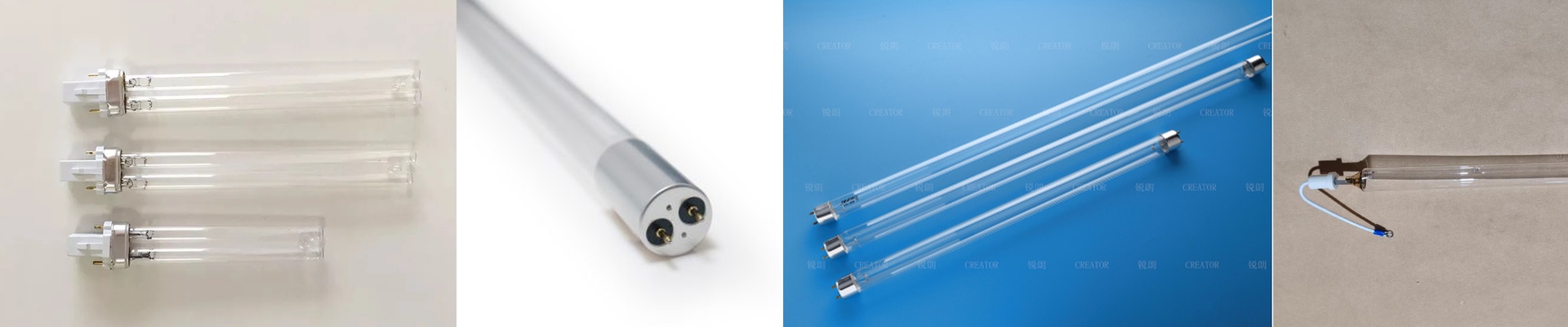


Stop Guessing With Your UV Sterilization
For a long time, industrial UV setups have been a “set it and forget it” kind of deal. You wire the thing up, set a timer, and just cross your fingers that the lamps don’t quit before the next maintenance check. It’s a bit like driving a car with a broken fuel gauge—you’re just hoping you don’t run dry in the middle of the highway. We wanted to fix that. So, we built remote energy monitoring right into the lamp circuitry. Now, instead of guessing, you can just look at a dashboard and see exactly how much power your lamps are pulling in real-time. Here is how it actually works. As a UV lamp gets older, the cathode wears down and the power draw starts to shift. We put current sensors and IoT controllers right at the ballast level to track every watt. If a lamp starts to drift—let’s say the current drops by 10%—the system pings you. You don’t have to wonder if it’s time to swap the tubes. You just check the data and replace them when they actually need it. Now, it isn’t all plug-and-play. There are a few trade-offs. This isn’t something you can just plug into a standard wall socket. You’ll need a smart ballast that can actually talk to the network, which makes the first install a bit more involved. Plus, you’ll need a steady Wi-Fi or network signal across your shop floor. If your connection is spotty, your data will be too. But for the engineers on the floor? This is a lifesaver. No more walking around with handheld meters doing manual irradiance checks. It’s tedious work. By spotting a failing lamp before it actually dies, you stop sterilization breaches before they happen. It takes the guesswork out of the process. And because you have a clear log of exactly how much energy each unit is using, planning for a new production line becomes a lot easier. You have the real numbers, not just a rough estimate.