
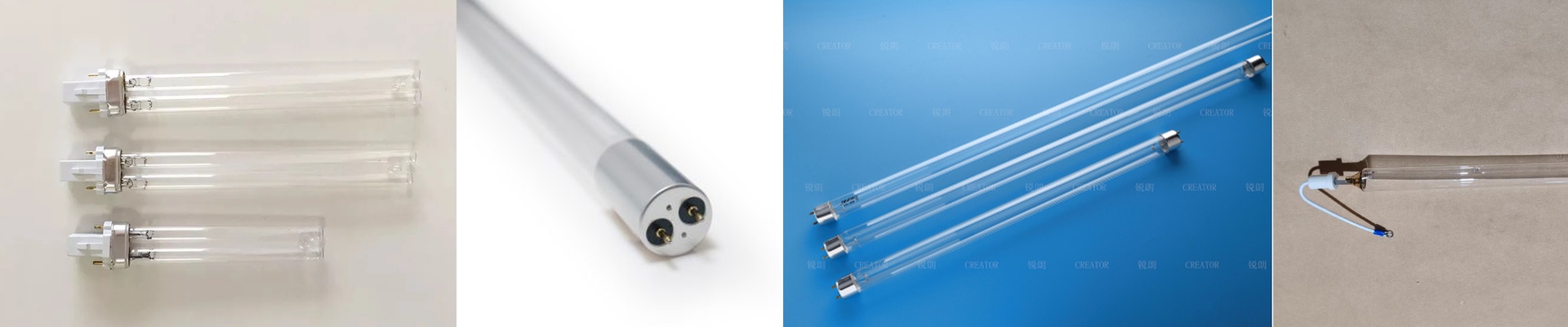


We built the Philips UV germicidal lamp for places where disinfection has to work—every single time. No excuses. No wiggle room. It’s meant to run hard, day after day, pumping out steady, high-intensity UV for water, air, and surfaces. The kind of output you can count on, so your process doesn’t start drifting when you can least afford it. Here’s the thing about power: the wattage and voltage aren’t chosen by accident. They’re set to hit a precise energy density right where it matters—on the target surface. More wattage means microorganisms go down faster. But it also means more heat. So you’ve got to match the fixture and power supply. If they don’t line up, the lamp burns out early, and nobody needs that headache. And the length? That’s a footprint call. It gives you the right active arc length to cover the flow path, but it also sets the size of the housing. Plan accordingly. The tube itself is quartz—because it lets UV through cleanly and stays stable when things heat up. The coating keeps the germicidal wavelength on target and holds output steady, even when temperatures swing. Then there’s the connector: R7s. Simple. Tough. It handles the current, and it makes the lamp a straight swap into many standard holders. Drop it in, get on with the job. Out in the field, this setup gives you repeatable kill rates and predictable maintenance intervals. That’s the upside. The trade-off is heat. Run it at full output, and your system has to manage the thermal load—cooling and spacing matter. But when the machine is built for it, you get a UV source that keeps pace with continuous production, without letting you down.