


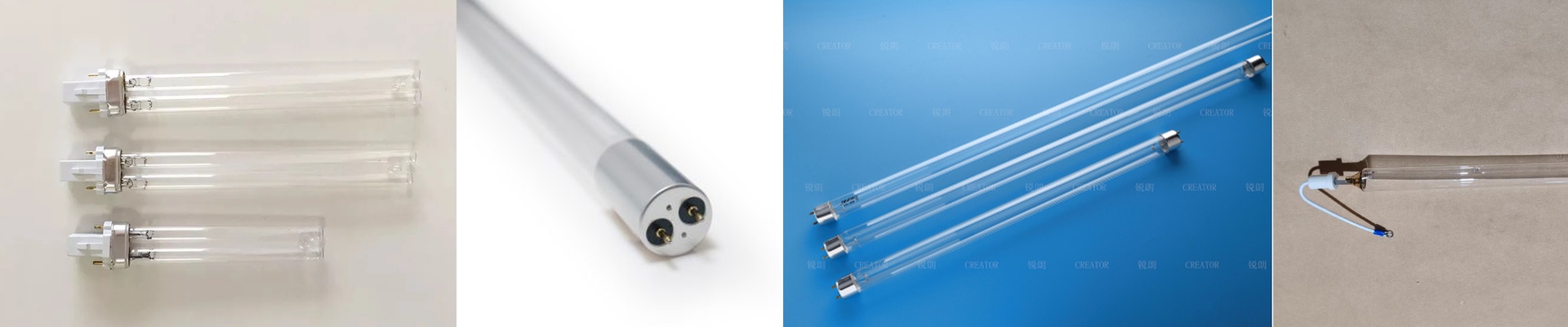

Staying Safe with UV Lamps in Textile Printing
Look, UV-C lamps are powerful. They’re great for killing germs and curing ink on fabric, but they aren’t just “lights.” They’re high-energy tools that can burn your skin or mess up your eyesight in a heartbeat if you aren’t careful.
Keeping the Radiation In
We don’t take chances with containment. You need solid, opaque shielding—think aluminum or treated steel—to make sure no UV-C leaks out. If you’re using an open-frame conveyor, you absolutely need interlock switches. These are the lifesavers that kill the power the second someone opens a guard door. The scary part? UV radiation has no smell and makes no sound. You won’t even know you’re being exposed until the damage is already done.
Heat and Fabric
Here’s the thing: these lamps get hot. Really hot. In the textile world, too much heat is a disaster. You’ll end up scorching delicate fibers or watching your ink bleed and migrate across the fabric. We spend a lot of time balancing the wattage so the fabric cures perfectly without actually melting or degrading. And keep a close eye on the gap between the lamp and the fabric. Even a tiny 10mm shift in height can totally change how much heat hits your material.
The Electrical Side of Things
Most of these lamps run on high-voltage ballasts, so grounding is a must. You don’t want the chassis becoming live. Plus, these bulbs wear out. You might see that familiar blue glow and think everything is fine, but the actual germicidal power drops as the quartz glass ages. It’s a hidden decline. The best move is to track your run-hours and swap the tubes before the output dips too low. Also, make sure your cooling fans are humming along. If they fail, the lamp temperature spikes, which kills the electrodes and burns the bulb out way faster than it should.