


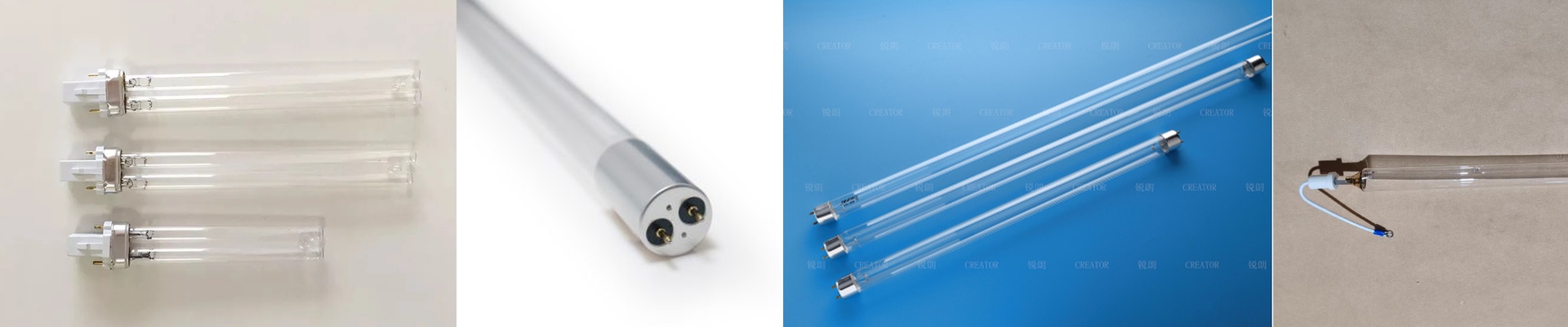


Getting Your UV Curing Right: The Truth About Mercury Lamps
Mercury UV bulbs are the unsung heroes of the factory floor. They do the heavy lifting for curing and sterilization, but for a long time, you basically had two choices: overpriced name brands or cheap generic parts that died in a month. We spent 15 years figuring out how to bridge that gap. By obsessing over the gas mix and the purity of the quartz, we finally hit that sweet spot where the performance matches the big international brands without the ridiculous markup. The heat struggle Here is the thing about the physics: you’re exciting mercury vapor to get that shortwave UV radiation. It works, but it gets hot. Really hot. We push a lot of wattage into a small tube to get the intensity you need. But there’s a catch. If you run these at full tilt and your cooling fans aren’t up to the task, you’re just cooking your electrodes. It’s a fast track to a burnt-out bulb. Why “cheap” bulbs fail If you’ve ever bought a budget bulb and noticed it “darkening” over time, you’ve seen the problem. That’s usually because of poor electrodes. We use a tungsten-based alloy that doesn’t sputter. It keeps the inside of the glass clean, which means the UV light actually gets out instead of getting trapped. Plus, we use high-transmittance fused quartz. It’s a small detail, but it’s the difference between a lamp that works and one that just looks like it’s working. Making it work on your line You shouldn’t have to rewire your entire setup just to change a bulb. That’s why we made ours drop-in replacements. They fit your current ballasts and sockets—simple as that. But remember, it’s a balancing act. You have to match the light intensity with how fast your conveyor is moving. If the UV is too strong for your line speed, you’ll warp your materials. To take the guesswork out of it, we provide the actual spectral data for every batch. You can calibrate your line with real numbers, so when you switch from your old brand to ours, you know exactly what’s happening. No guessing. No wasted material.