
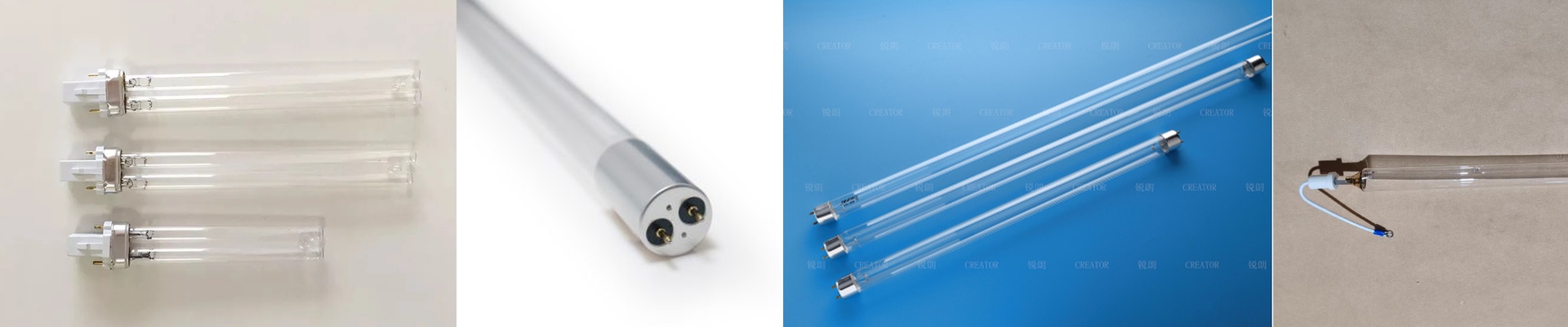


Getting the Wavelength Right: The Reality of UV Lamp Building
In our world, a few nanometers are the difference between a job well done and a total disaster. We spend our days obsessing over spectral output because we want to hit that exact peak wavelength. Why? Because “waste radiation” is just a fancy way of saying your equipment is overheating or your substrate is getting fried.
The Nitty-Gritty of Spectral Control
Getting a precise wavelength isn’t magic; it’s about the gas mix and how the electrodes are shaped. We use high-purity quartz for the envelopes so the light actually gets out. Here’s the thing: if the quartz is cheap or full of impurities, it just absorbs the UV light and turns it into heat. That’s a death sentence for the lamp’s lifespan. We’re picky about our glass because we want those photons hitting your target, not heating up the bulb.
Dealing with Heat
High-output lamps get hot. Really hot. We build cooling jackets to keep things stable, otherwise, you get “spectral shift”—which is basically your peak wavelength drifting away from where it should be. You’ve got to make sure your chassis has plenty of airflow. We’ve seen too many setups where the fans were too small for the wattage, and the quartz ended up stressing and cracking. It’s a mess you definitely want to avoid.
The Tug-of-War: Power vs. Life
It’s a simple trade-off: intensity versus time. Sure, we can crank up the current to give you a massive burst of UV for fast curing or sterilization. But do that, and you’ll burn through your electrodes way faster. For our 2026 specs, we’re working on stabilizing the arc. The goal is to keep the runtime long without losing that punchy irradiance. Plus, while these are drop-in replacements that fit your current footprint, you can’t just plug them into anything. You have to match the ballast output to the lamp’s impedance. If they don’t match, the lamp will flicker or just die early. Simple as that.