



Getting the UV Peak Exactly Right: The Truth About Gallium Iodide
If you’ve ever worked with UV light, you know the headache of “broad spectrum” lamps. They’re fine for some things, but when you need a razor-sharp emission peak, they just don’t cut it. That’s where Gallium Iodide (GaI) comes in. At our facility in China, we spend our days obsessing over the gap between “standard” output and the kind of high-precision energy concentration that actually works for serious science.
The Fight for 0.5%
Here’s the thing: most GaI lamps you can buy off the shelf have this annoying spectral drift. For high-end analytical chemistry or precision curing, that drift makes the lamp basically useless. We spent months in the lab tweaking gas fill pressures and scrubbing the purity of the gallium iodide compound just to hit a 0.5% energy concentration. It was a grind. We had to toss dozens of batches in the bin because a tiny leak in a vacuum seal would shift the peak by a few nanometers. It’s a frustrating process, but it’s the only way to get that narrow FWHM (Full Width at Half Maximum) we’re after.
The Hardware Side (And the Heat)
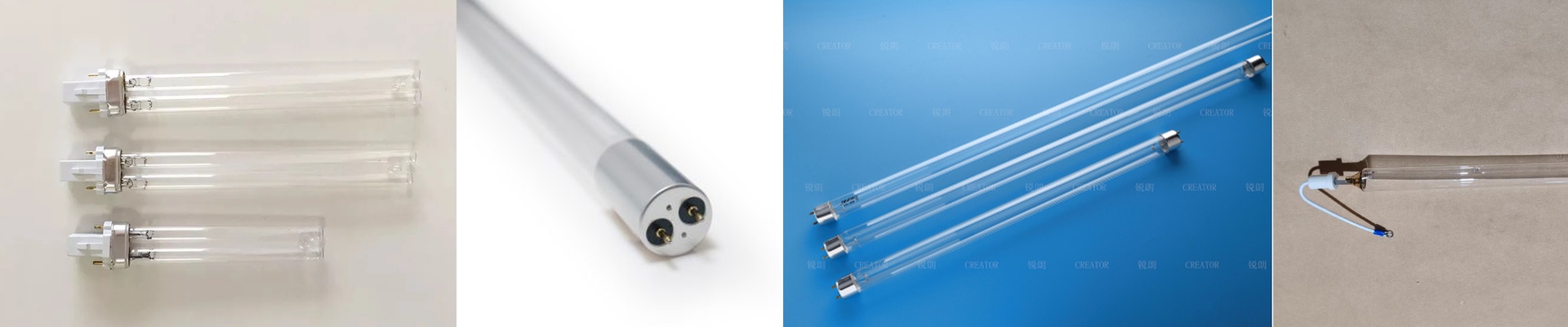
To keep that signal stable, we use high-purity synthetic quartz envelopes. These tubes take a real beating from the internal plasma heat. We also spec the electrodes carefully to stop sputtering. If you get sputtering, it contaminates the GaI fill and kills the narrow-band effect instantly. But you have to be careful with your power supply. If your voltage ripples, your spectral peak shifts. Period. We always suggest a stabilized DC source to keep that 0.5% concentration locked in. And a heads-up: this level of precision means the lamp runs hot. Really hot. Make sure your cooling jacket or heat sink is up to the task. If the quartz warps from the heat, you’ll lose your focal point and be right back where you started.
Why This Actually Matters
We build these for the engineers who can’t afford any spectral overlap. Maybe you’re running a photo-lithography line or a specialized sensor calibration rig. In those worlds, noise is the enemy. These lamps just slide into your setup and replace those lower-grade sources. You get a cleaner signal. Less noise. Just a sharp, reliable beam that does exactly what it’s supposed to do.