




Why we’re doing things differently at the 2026 Printing Expo
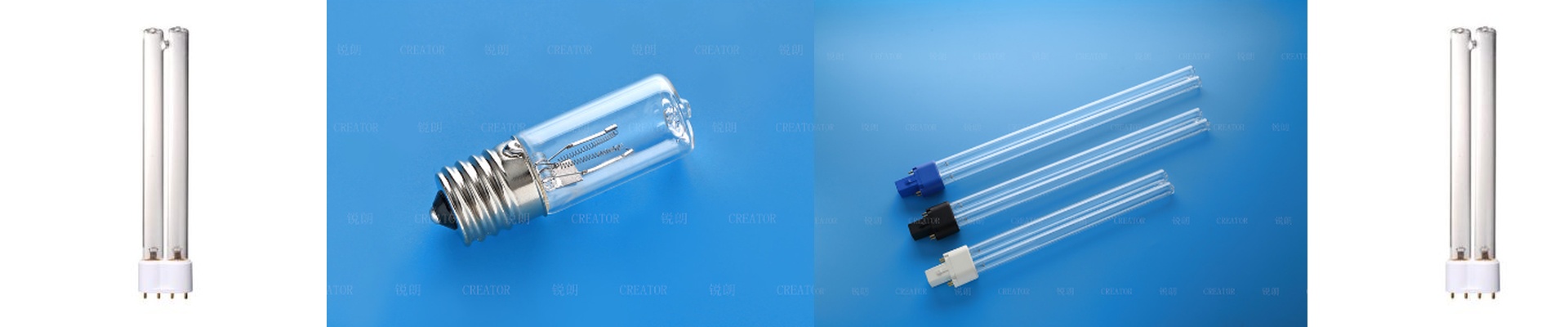
Look, we aren’t in the business of selling generic lamps. Those are fine if you’re doing something basic, but they don’t hold up when a printing press is actually screaming along at full tilt. When you stop by our booth at the Expo, we aren’t going to bore you with buzzwords about “innovation.” We want to talk about the real headache: that curing bottleneck that slows down your entire ink line.
Getting the physics right
Ever notice how some UV lamps just… miss? You get these annoying “cold spots” right in the middle of your print because the intensity isn’t even across the width of the material. It’s frustrating. We solve that by getting picky with the electrode spacing and the gas fill. We tweak the wattage density per centimeter until the output is flat. No gaps. No surprises. Plus, we use high-grade quartz glass. It doesn’t dim or “solarize” when you push it to the limit, so your lamp actually stays bright instead of fading out right when you need it most.
Heat, vibration, and the “drop-in” factor
High wattage means a lot of heat. If you don’t move that heat away fast, your substrate starts to warp, and suddenly you’ve got a pile of scrap. To stop that, we built forced-air cooling channels straight into the housing. We also swapped out flimsy parts for connectors that can take a beating in a vibrating factory. The best part? You don’t have to tear out your entire conveyor system to make this work. These are designed to be drop-in replacements for most standard frames. You just swap them out and get back to work.
The one thing to watch out for
Here’s the honest truth: high intensity needs power. If you go for a module built for maximum speed, you’ve got to make sure your power supply can handle that initial hit of current. We’ve seen too many shops install a powerhouse lamp only to have their breakers trip the second they flip the switch because the electrical footprint wasn’t ready. We don’t want that happening to you. That’s why we give you the exact current draw and thermal data for every single custom build. You wire it up, set your speed, and the ink cures instantly. No tacky surfaces. No doing the job twice. Just clean prints.