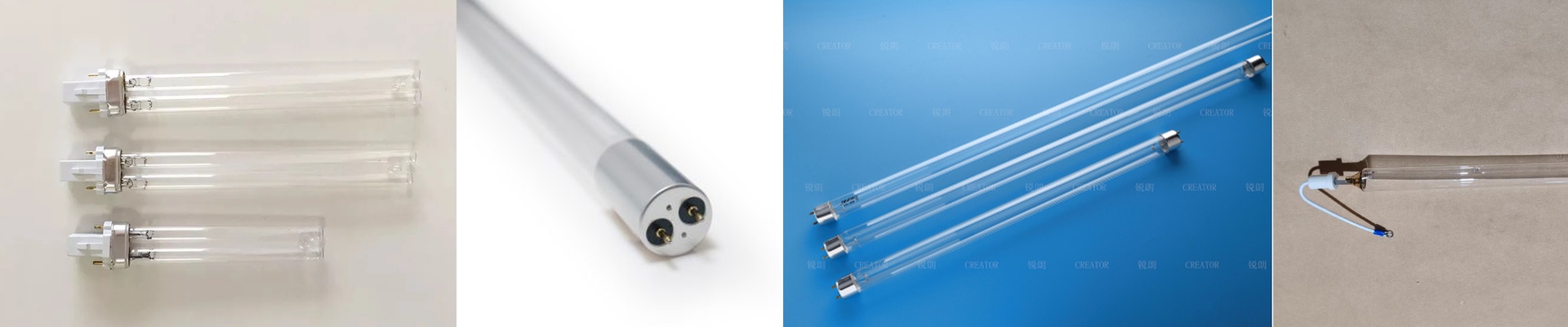


Getting More Punch Out of Your UV-C Lamps
We spent 15 years in the trenches. We started with the boring OEM background work and spent a decade and a half obsessing over how to build germicidal lamps that could actually go toe-to-toe with the big global brands. The goal wasn’t just to make them “bright.” We wanted to push out as many UVC photons as possible without sucking the life out of your power grid. The secret to saving energy Most standard lamps are basically fancy heaters that happen to emit some UV light. That’s a waste. We spent a lot of time messing with the electrode chemistry and the gas mix inside the quartz. By tweaking the mercury vapor pressure and the phosphor coating, we figured out how to hit that 254nm sweet spot using way less wattage. Here’s the win for you: you get the same sterilization power, but your ballasts stay cool and your electric bill stays lower. The build quality stuff We use high-purity fused quartz. Period. If you use cheap glass, it acts like a wall, blocking the UV-C rays and killing your efficiency. We make sure our tubes let the 200-280nm range slide right through. And because nobody likes fighting with hardware, we tightened up the pin alignments. You can just slide these into your existing fixtures. No forcing, no swearing, no struggle. Putting them to work These are workhorses. They’re built for the grind—whether that’s constant water treatment or air purification rigs. But a quick heads-up: high-intensity UV-C is brutal on certain plastics and seals. If you’re building a custom housing, please, do yourself a favor and use UV-resistant gaskets. If you don’t, those seals will crack and leak long before the lamp actually burns out. We’ve run the numbers against the industry leaders. The lifespan and the kill rate are right where they need to be. You get a drop-in replacement that saves you money without cutting corners on the actual cleaning.