



Keeping Your UV Lamps Steady in a Noisy Shop
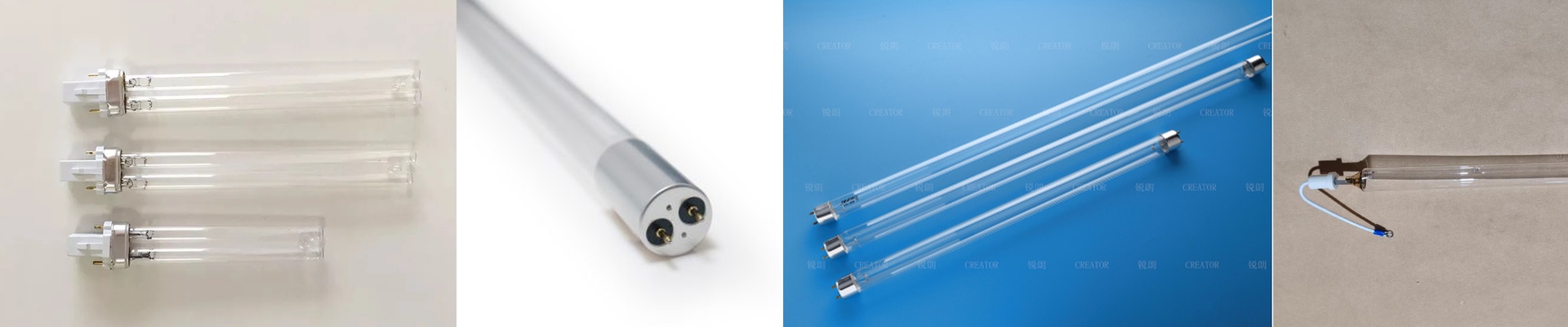
If you’re running a few big printing presses in one room, you know exactly how chaotic the electrical environment gets. Between the high-voltage ballasts and those heavy motors kicking in, there’s a lot of “electrical noise” floating around. If your UV lamps aren’t built to handle that chaos, things start to go sideways. You’ll see the lamps flicker, curing speeds will jump all over the place, or—worst case—your lamps just burn out way too early. The struggle with interference Here’s the thing: UV lamps need a very precise electrical arc to work. But in a busy shop where everything is firing at once, voltage spikes can leak into the lamp’s circuitry. It’s like trying to have a quiet conversation in the middle of a rock concert. We fixed this by adding better shielding and filtered circuitry to our replacement lamps. It basically acts as a noise-canceling headset for your equipment. The arc stays steady, even when your power grid is sweating under a heavy load. Why this actually matters on the floor When your UV output isn’t stable, you get “under-curing.” You’ve felt it—that annoying tacky ink or the way the print just peels off the substrate because it didn’t bond. By blocking out that external noise, we keep the light intensity constant. That means you can stop messing with your line speed every time the power fluctuates. You just set it and forget it. The trade-off Now, there is one catch. To get this kind of protection, we had to use beefier housing and specific ballasts. This makes the lamp head a bit heavier than a cheap, generic tube. Just double-check that your mounting brackets are sturdy enough to hold the extra weight. But the best part? These are drop-in replacements. You just swap the old tubes out, wire them into your existing setup, and you’re done. You don’t have to rewire your entire factory or spend a fortune on electrical shielding just to get a clean, professional cure.