


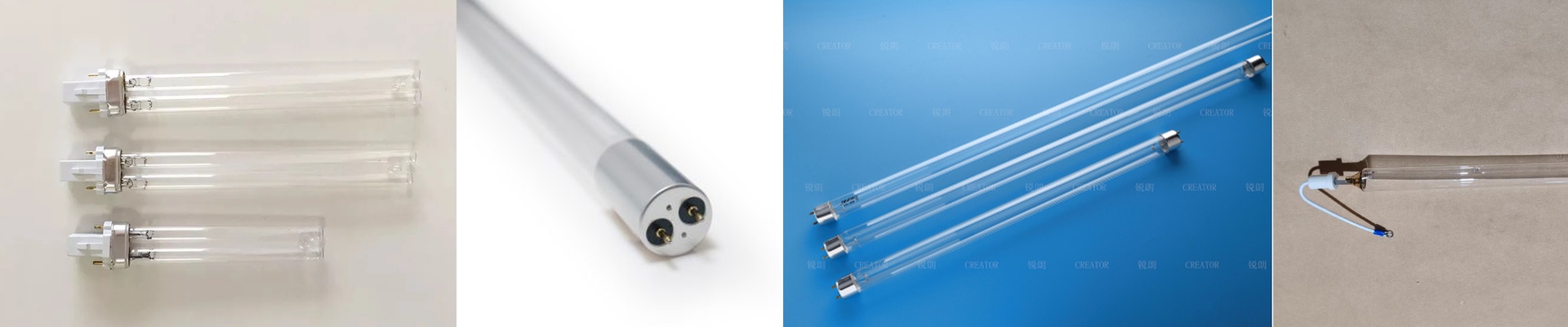

Let’s talk about the 120W/cm Mercury UV Lamp
If you’re in industrial curing, you probably already know the 120W/cm mercury lamp. It’s basically the old reliable of the shop. Its whole job is to hit your inks and coatings with enough UV radiation to turn those liquid monomers into solid polymers—fast.
The heat is the real story
When we talk about a 120W/cm rating, we’re talking about how that power is spread out. So, if you’ve got a 1-meter lamp, you’re pumping out 1200W. You need that kind of punch to get through thick ink or those heavy, high-pigment coatings that usually refuse to dry. But here’s the catch:all that power creates a ton of heat. If your conveyor is crawling, you’re going to scorch your materials. It’s a balancing act. You’ve got to sync your line speed with your cooling system. If your chillers can’t keep up, your reflectors will warp and your bulbs will die way sooner than they should.
How it actually works
Inside the lamp, we use mercury vapor to create a broad UV spectrum. It peaks at 254nm and 365nm, which is great because it gives you the best of both worlds: it dries the surface and cures the deep layers at the same time. The quartz envelope is there to let the UV light fly through while keeping the high-pressure plasma trapped safely inside.
Keeping things running
Most of the time, these just drop right into your existing curing stations. Just do me a favor: check your ballast. Make sure the operating current matches. If you run it too hot, you’ll fry the electrodes and be replacing the lamp way too soon. But we don’t just ship you a box of hardware and wish you luck. We’re here to help you tweak the actual process. Ever see that “orange peel” texture? Or maybe the ink is still tacky on the underside of your paper or PET? Usually, that’s a sign that your lamp is aging or your reflectors are filthy. It’s crazy, but a dirty reflector can kill your UV output by 30%—even if the bulb is brand new.**Keep them clean.**Your bottom line will thank you.