
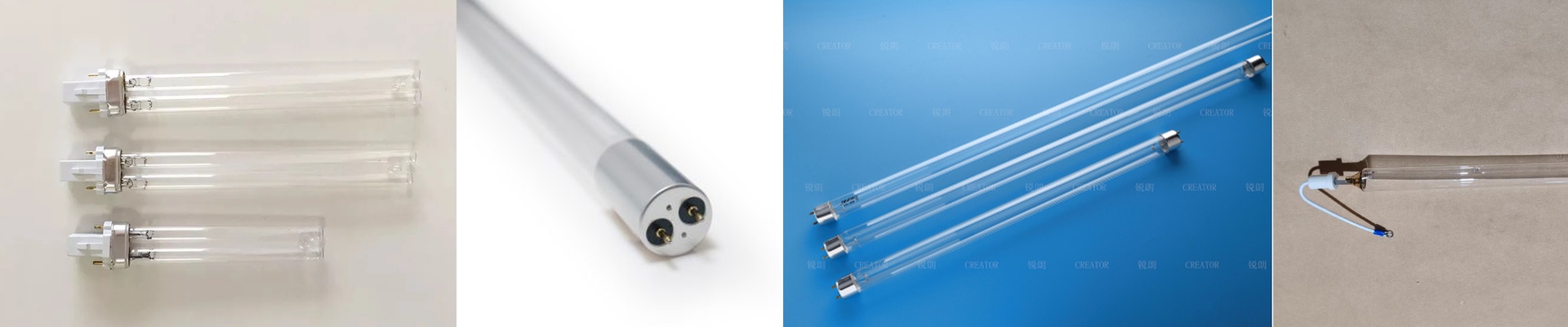


We spent some time visiting 3,000 different printing plants. We wanted to see where UV lamps actually die in the real world. What we found was pretty common: most shops are fighting uneven curing or bulbs that burn out way too fast. Why? Because they’re using generic specs for lines that are anything but generic. Looking toward 2026, we need to stop obsessing over “maximum power” and start focusing on spectral stability. The wattage trap Here’s the thing about high-pressure mercury lamps. They need a specific plasma density to get those UVC and UVB rays moving. Usually, people think more wattage per centimeter equals faster line speeds. But if you cram too many watts into a short tube, you get hotspots. That’s a disaster for the quartz envelope. We focus on balancing the voltage so the arc stays dead center. When the arc is centered, your curing is consistent across the entire web. No more guessing. Glass and heat We use high-purity fused quartz because cheap glass clouds over. It’s a slow process, but once it happens, your UV output tanks and your ink stays tacky. Not a great look. And then there’s the heat. These lamps run hot—really hot. If your cooling blowers aren’t actually built for the heat load, your electrodes will pit and the lamp will give up early. That’s why we prioritize thermal expansion gaps in the housing. It gives the system room to breathe. Making it actually work We designed these as drop-in replacements. You shouldn’t have to rip out your wiring or rebuild your cabinet just to swap a bulb. We kept the tolerances on the end-caps tight so the electrical connection is solid and secure. One last tip: just because you can crank up the intensity doesn’t mean you should. Sure, you’ll get more throughput, but you’ll also cook your conveyor belts. You’ve got to find the sweet spot between the lamp’s output and what your materials can actually handle. Over-specing usually just leads to warped plastic or scorched paper. Just match the wattage to your actual line speed. It’s simpler that way.