


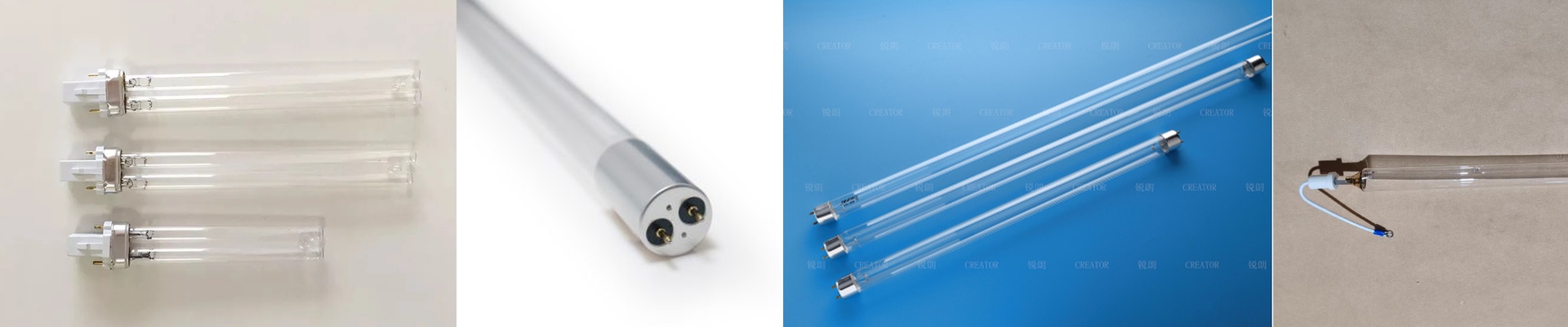

Let’s talk about the workhorse of UV curing: Standard Mercury Bulbs
There’s a reason mercury vapor lamps are still the go-to for high-volume production. They just work. Because they hit a wide spectrum of light, they can push through different ink depths and coatings, making sure everything is cured solid—from the very top layer all the way down to the substrate. No tacky surfaces, no surprises. Getting the power right Here’s the thing about wattage and voltage: they basically dictate how fast your line can move. If you’ve got a high power density, you can crank up that conveyor speed without worrying about under-curing your product. But you have to be precise. Your bulb wattage needs to match your ballast output exactly. If you push too hard, you’ll fry the electrodes. If you don’t push enough, the mercury won’t vaporize properly and your UV output just tanks. It’s a balancing act. The heat and the glass We use high-purity fused quartz for the bulbs. Why? Because it lets the short-wave UV radiation fly right through without getting trapped. Plus, it can take the heat. These things get incredibly hot to keep the mercury in a plasma state. That’s where your cooling comes in. Whether you’re using air or water, it has to be spot on. If the airflow is weak, the quartz starts to “solarize”—the glass gets cloudy, and your curing efficiency disappears. No-headache replacements Nobody likes unplanned downtime. It’s stressful. That’s why we keep a huge stock of our most popular configurations ready to ship. We’ve spent a lot of time making sure the end-caps and pins are exactly the right size. They should just slide into your current fixtures. No rewiring, no tinkering with the housing, and no guesswork. You just pop them in, flip the switch, and get back to work knowing the output is consistent across every single batch.