
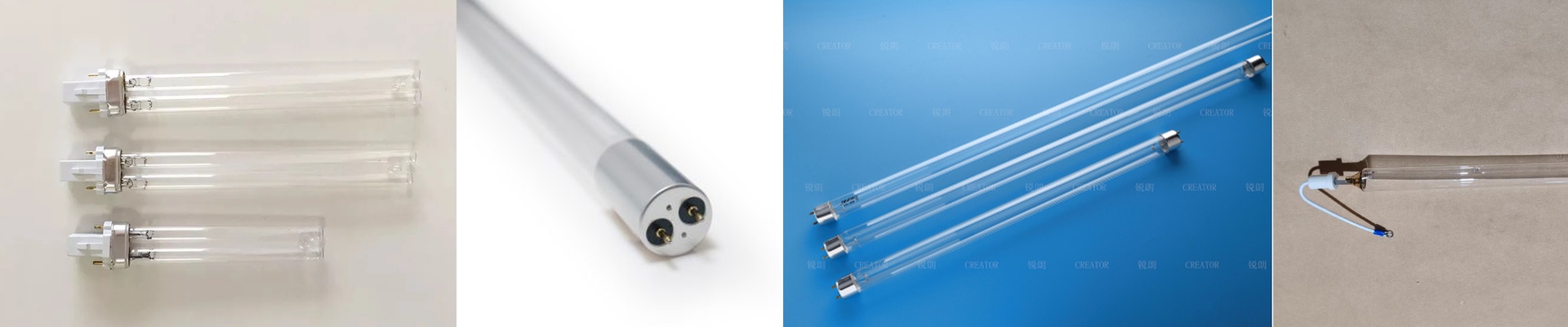


Getting the Most Out of Our 80W/cm Mercury UV Lamp
When we sat down to build these mercury UV lamp modules, we had one goal: hit 80W per centimeter. Now, if you aren’t a numbers person, that might sound random. But in a high-speed print shop, it’s everything. It’s the “magic number” that makes ink snap from wet to dry almost instantly.
The Heat Struggle
Here is the thing about pushing 80W/cm. It’s powerful, but it getshot. Really hot. We use high-purity mercury vapor to keep the light steady and make sure the UV rays actually soak deep into the ink. But that power creates a lot of infrared heat. If your cooling—whether you’re using fans or water—isn’t up to the task, you’re going to have problems. You’ll notice your lamps wearing out way too fast, or worse, your materials starting to warp. Keep a close eye on your thermal budget. Your quartz envelope will thank you.
Making it Fit
We didn’t want you to have to rip out your entire conveyor frame just to upgrade your lights. That’s a nightmare. So, we made these modular. You can just drop them into your existing press and get moving. We also spent a lot of time on the electrode placement. Why? Because nobody likes a flickering lamp when the voltage spikes. We used high-transmittance quartz glass to keep the energy from leaking out at the source, and the wiring is beefy enough to handle that initial high-voltage “kick” needed to get the arc started.
No More Sticky Ink
We’ve all been there—the “tack-free” nightmare. You’re running a high-speed line and the ink is still tacky when it hits the rollers. It ruins the whole run. By keeping a steady 80W/cm, we make sure the ink cures all the way through, not just on the surface. Depending on your ballast, you can wire these in series or parallel. Just a heads-up: make sure your power supply can handle that first big surge of current when the lamps ignite.