
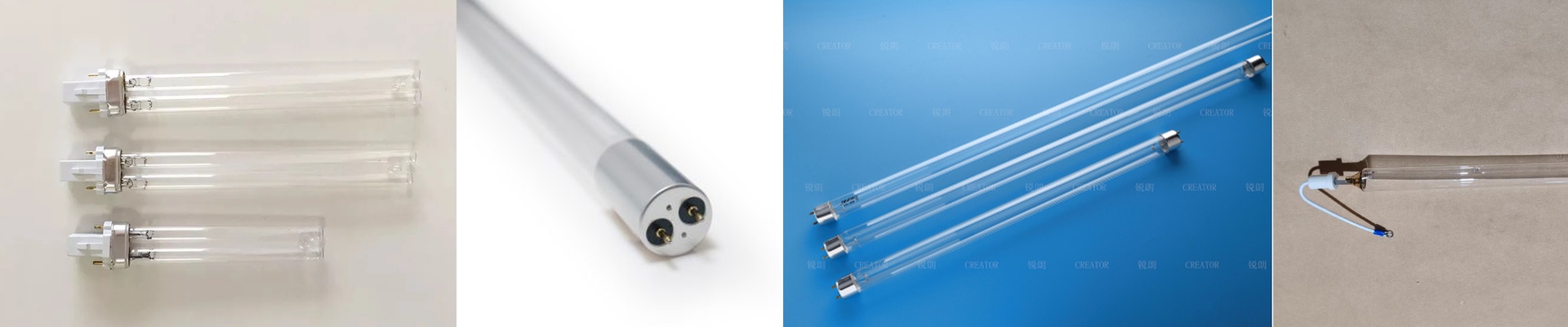


Speed is the Name of the Game
When you’re picking out a disinfection robot for a busy public space, there’s one thing that really matters: how fast it gets the job done. We built our mercury UV lamps with one clear goal in mind—pack the most germ-killing UVC energy into the shortest time possible. It runs at a super high energy level, which means you get a powerful blast of UVC that slashes the time needed to wipe out germs. This isn’t just about cranking up the wattage. It’s about focusing all that power into a tight, controlled beam. The payoff? Less time spent on each spot. You finish a full sanitization run quicker, which means your robot can cover more ground.
It’s an Engineered System, Not Just a Light Bulb
The lamp is more than a simple light source—it’s a complete system. The integrated reflector is a huge part of why it works so well. It grabs the UVC that would normally just go to waste and bounces it right onto the surface you’re cleaning. That means you’re not losing a single bit of power. The whole area gets a strong, even dose of UVC. And the design? It’s built to fit. The lamp is compact enough to slide into tight robot spaces without losing any of its punch. The connections are tough and designed for quick swaps. When it’s time for maintenance, you can swap it out in a flash. No downtime.
Smart Power, But With a Real Trade-off
The system is smart enough to adjust its power based on what the robot is doing. That keeps things efficient and stops energy from being wasted. But here’s the catch—all that power comes with a trade-off. This lamp gets seriously hot. The robot’s cooling system has to be up to the task. If the cooling isn’t strong enough, the lamp will get stressed out. That shortens its life and hurts its performance. Plan for the heat from the start, and you’ll have a robot that’s fast, reliable, and always ready to work.
Built for the Real World
Think about airports, shopping malls, or transit stations. These are places that never stop. Speed is everything. A robot with this high-density lamp can cover a huge area with fewer passes. That means the space is out of service for cleaning for a much shorter time. And it’s consistent—every single cycle delivers the same reliable disinfection. For the engineers out there, this setup simplifies things. The lamp does the heavy lifting of killing germs, so the robot can just focus on getting around and covering every inch.
The Honest Truth: Power and Heat
Let’s be real. High power doesn’t mean it’s plug-and-play easy. A high-density UVC lamp draws a lot of current and throws off serious heat. Your electrical system and heat sinks have to be built to handle that load. If your robot can’t get rid of the heat, the lamp will run too hot, and its lifespan will take a nosedive. We build the lamp to take the heat, but the rest of the system has to be ready for it. Treat the thermal budget and power supply with the same care you give the mechanics. When you do, you get a disinfection robot that finishes the job quickly and reliably, every single time.