

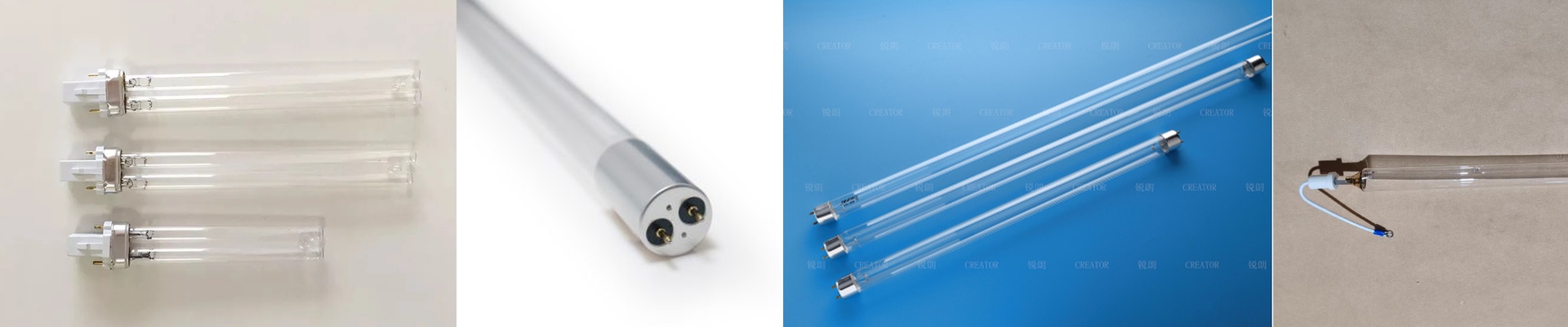


Getting More Punch Out of Your UV Lamps
When you’re dealing with sterilization or curing, the difference between a perfect batch and a total waste of materials usually comes down to one thing: where the energy is actually going. We’ve been obsessing over the narrow band of UV-C light that actually does the heavy lifting—the part that breaks molecular bonds. Recently, we pushed for a tiny 0.5% bump in spectral energy concentration. It sounds small. But in the real world, that small shift means less wasted power and, more importantly, your materials don’t overheat. The trick to the physics Most UV lamps are “leaky.” They throw energy at wavelengths you don’t actually need, which just turns into useless heat. To fix this, we messed around with the gas mixture and the shape of the electrodes to tighten that spectral peak. We’re basically forcing more photons into that sweet spot at 253.7nm. The result? You get more germicidal power or faster curing without having to crank up the wattage and pray for the best. The catch (because there’s always one) Tightening the spectrum isn’t a free lunch. When you cram that much energy into one specific peak, it puts a lot of stress on the quartz envelope. We had to switch to a higher-grade fused silica so the tubes wouldn’t get brittle and snap over time. Also, a heads-up: the lamp runs hotter right at the center of the arc. If your cooling fans are old or underpowered, you’re looking at burnt-out lamps or warped reflectors. Keep them cool. Putting it to work The best part is that these are just drop-in replacements. You plug them into your existing ballasts and you’re good to go. But since you’re getting more “bang for your buck” per watt, you have some choices. You can speed up your conveyor line to get more product out the door, or you can drop the temperature to protect materials that are sensitive to heat. We don’t care about the power draw at the wall. What actually matters is the irradiance hitting your target. It’s about being precise, not just being loud.