


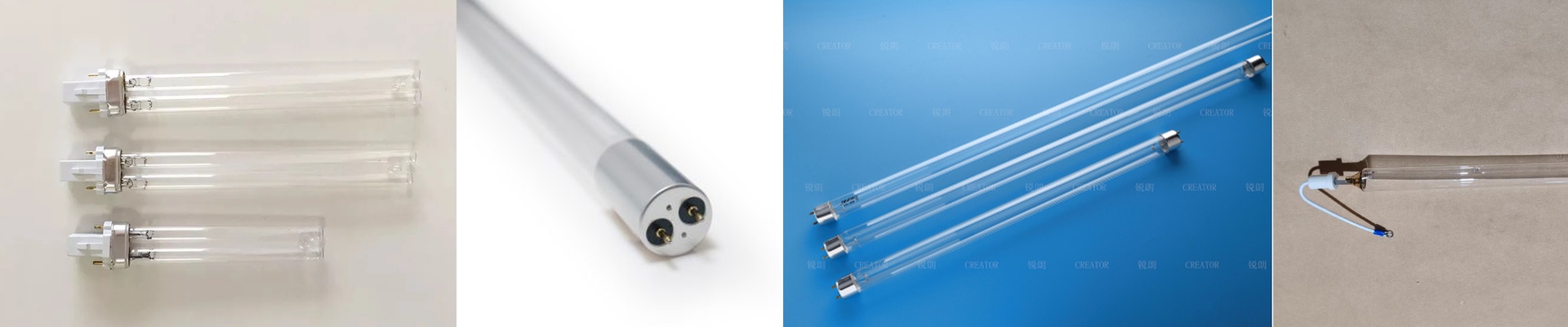

How We Built the UV Curing Lamp Dental Labs Actually Need
We didn’t design this lamp from a spreadsheet. We built it after spending time on the floor of 3,000 industrial plants. Our goal was simple: stop chasing numbers on paper and start building for real life. For dental labs, that means a lamp that cures resins fast, fits into tight spots, and can handle the daily grind on your workbench.
Power, Voltage, and Size—Thought Through for the Real World
At the heart of this lamp is a high-output halogen system, built to deliver steady, reliable energy. We set it at 400V so it plays nice with industrial power setups—no voltage drop, even over distance. That means it hits the right irradiance, every single time. The tube is 300mm long. That wasn’t random. It’s long enough to cover standard curing areas, but short enough to slip into compact machines without fighting for space. And the 2500W rating? It’s not just a big number. It’s the heat density needed to fully cure resins in one pass. That translates to shorter cycle times and fewer rejects.
Materials and Design: Built to Stay the Course
We wrapped the lamp in quartz because it handles rapid on/off cycles better than standard glass. No stress, no cracking. The halogen gas inside keeps the filament stable and prevents blackening, so the lamp stays bright longer. The R7s connector is a practical choice that’s already proven in the field. It gives you a secure, low-resistance connection and makes the lamp a true drop-in replacement. Wire it up, clamp it in, and get back to work. Less downtime. More uptime.
What It Feels Like to Use in a Dental Lab
In a dental lab, curing is all about control and repeatability. This lamp gives you a tight, focused output that cures composites and prosthetic resins without overheating delicate parts. It’s compact, so it slips right into benchtop curing chambers. And the high intensity means you get even curing across tricky, complex shapes. Now, here’s the honest part: at 2500W, it runs hot. That’s just physics. So make sure your setup has proper ventilation and heat management—airflow or heat sinking will do the trick. Plan for that, and it’ll run reliably, shift after shift. It’s the kind of tool you set up once, trust, and get on with your day.