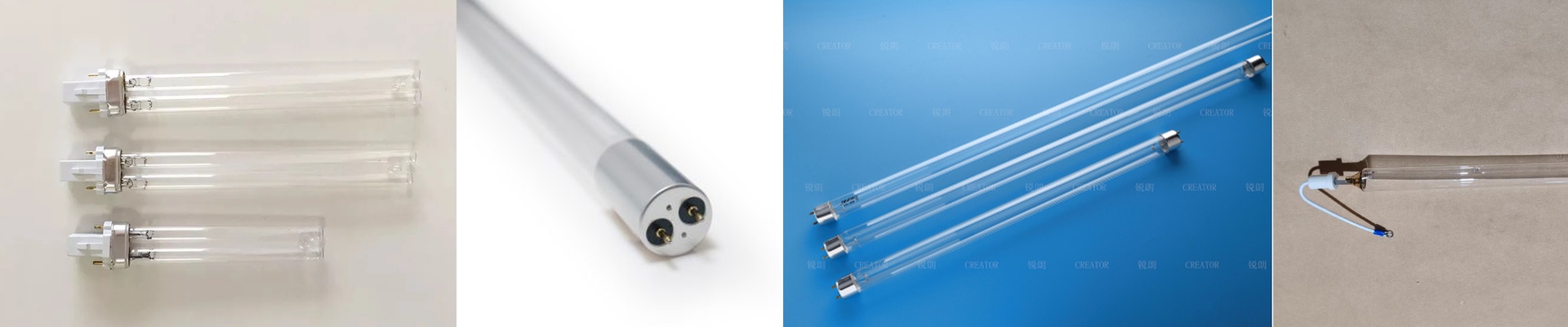


On the bench, a bright lamp doesn’t guarantee the dose your resin needs. In fly tying, under-cured heads and legs fail out in the field, and over-curing just burns material and time. The only honest way to know your custom UV lamp is still in spec is to measure its UV energy output—and keep measuring it. What actually matters We build fly tying UV systems around stable, ozone-free mercury vapor lamps with a matched spectral output—typically 365 nm for deep through-cure and 385–405 nm for surface finish. Peak irradiance at the working plane has to clear the resin’s photoinitiator threshold, and the delivered energy density must land in the required mJ/cm² window for full cross-linking. That’s why we specify reflector geometry and dichroic coatings that keep intensity on the target, not just on the meter. Use UV energy test strips or a radiometer, and log readings the same way every time—same distance, same warm-up, same lamp age. Why it plays in fly tying Fly tying runs in short cycles, so you need instant cure without heat soak. Our lamps give rapid, deep penetration that fully cures heads and sets legs without slump, all in one exposure. Catch intensity drift early and you avoid the familiar headaches: tacky surfaces, brittle edges, or cure that swings from batch to batch. Keep output in range and you cut rejects, keep throughput steady, and make lamp replacement predictable. Things to keep straight Match the lamp to the fixture—arc length, voltage, and reflector footprint. Output drops as the lamp ages and as temperature settles; run time and cooldown both affect repeatability. Double-check your power supply and connectors, and lock down the working distance your resin needs. Replace the lamp before intensity dips below the resin’s minimum dose—not when it merely looks dim.