


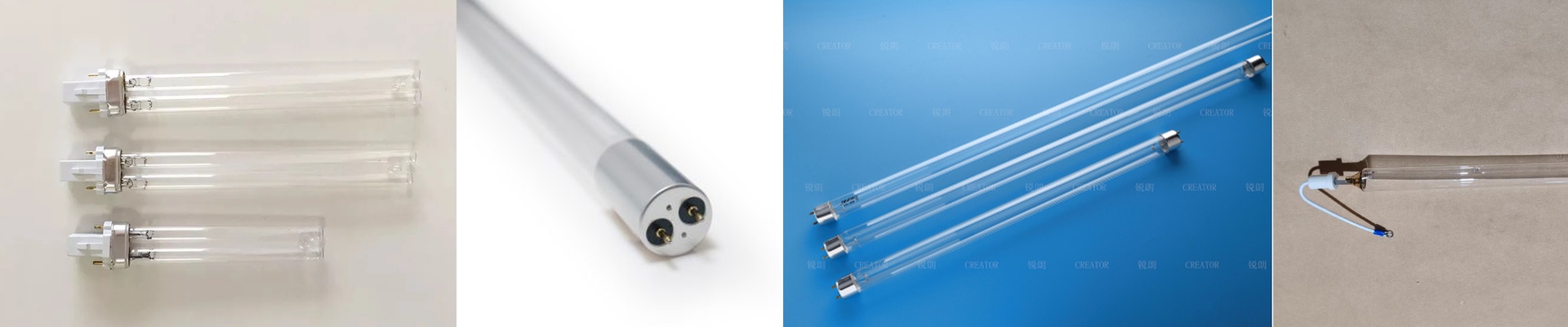


How We Actually Build UV Lamps That Work
Let’s be honest: trying to find a UV-C or curing lamp that doesn’t blow your budget—but still actually hits your output targets—is a headache. Most people just pick something from a generic catalog and hope for the best. We do things differently. We handle everything ourselves, from sourcing the raw quartz to sealing the final electrode. No middlemen, no random markups. It just means we can build a lamp based on what your machinery actually needs to do, not what some brochure says.
Getting the Power Right
UV performance is a balancing act. You’re juggling wattage, voltage, and gas fill. If you’re curing, you need high-intensity output to get those polymers to bond fast. If you’re sterilizing, it’s all about hitting that 254nm peak. Here is the catch: if you try to force more intensity out of a low-voltage tube, you’re basically asking the filament to burn out early. It’s a quick fix that leads to a long-term problem. We make sure the ballast specs and the tube’s heat limit are in sync so your lamps actually last.
The Stuff They’re Made Of
Materials matter. We use high-purity fused quartz because cheap glass blocks the very light you’re paying for. We also put a lot of thought into the electrodes. We’ve engineered them to stop “sputtering”—that annoying process where the tube gets cloudy over time. A clear tube is a working tube. Then there’s the size. A longer tube gives you more surface area to kill germs, but it’s a nightmare to install and way easier to snap. We offer a bunch of different lengths and diameters so you can find that sweet spot for your specific housing.
Making It Fit
These are designed to be drop-in replacements. The pins match your sockets exactly, so you won’t be spending your weekend rewiring racks. One quick tip: high-output lamps get hot. Really hot. If your cooling fans are clogged or just too weak, the tube temperature will spike. When that happens, your spectral output shifts and your efficiency tanks. Before you crank up the wattage, just double-check your airflow. It’ll save you a lot of frustration.