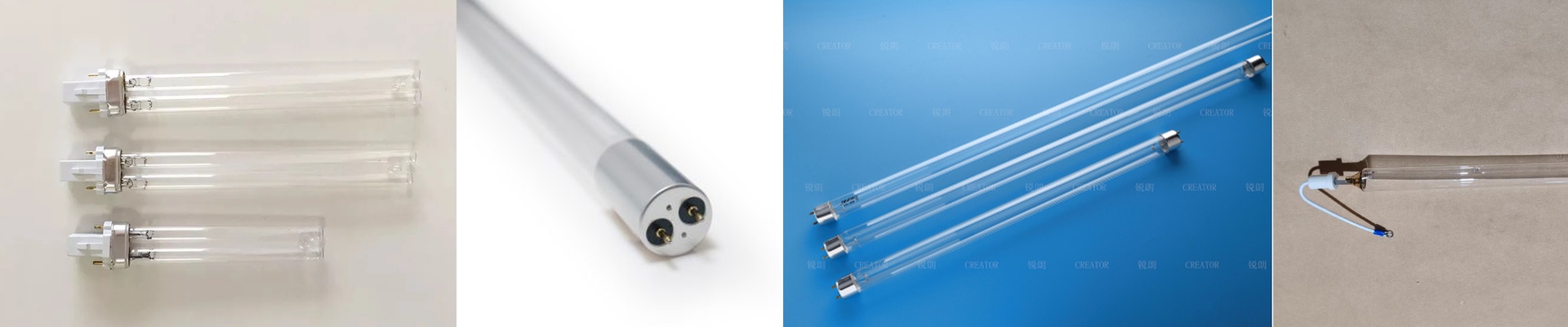


Introduction
Let’s talk about a UV emitter that actually holds its own in the real world. We built this thing for industrial work, where you need serious power that you can count on, day after day. It was designed to solve a problem that plagues so many plants: unstable voltage. You know the feeling—your equipment sputters, performance drops, and you’re left scrambling. We stopped that from happening. The secret is a dedicated circuit inside that constantly compensates, keeping the lamp running at exactly the right power, even when the grid is giving you a hard time.
The Nitty-Gritty: Power, Voltage, and What It All Means
Here’s the thing about high-power gallium UV emitters: they’re sensitive to current. Their output is directly tied to having a steady, clean flow of electricity. When the voltage on your line starts jumping around, the lamp’s arc starts flickering. That means your UV intensity isn’t consistent, and the lamp’s lifespan takes a hit. Not good. Our compensation system acts like a shock absorber. It’s constantly watching the power coming in and making tiny adjustments on the fly to keep the lamp’s operating point rock-solid. This isn’t just a nice-to-have. It’s essential for jobs like curing or sterilization. A dip in output doesn’t just mean a bad batch—it means scrap.
What It’s Built From: The Core Materials
We didn’t cut corners on the materials. The emitter is wrapped in high-purity quartz, tough enough to handle the intense heat and UV energy without breaking down. The gallium doping is what gives you that stable, powerful spectrum you need. And the wiring is pure industrial-grade. The connectors are built to handle the high current without getting hot under pressure. We also tucked the compensation circuit right into the driver. That keeps the whole unit compact and makes the wiring a breeze.
What It Feels Like on the Floor
So what does this all mean when you’re actually using it? It means you can install this emitter in a plant with shaky power and stop worrying about it burning out prematurely. That compensation circuit keeps the electrical side locked down, delivering consistent performance even when conditions get rough. Now, there is one trade-off. The compensation system does draw a small amount of standby power, so you’ll need to make sure your machine’s cooling and power supply are sized to handle the total load. But here’s what you get in return: way less downtime. Predictable output. And a solution that you can just drop in and trust to work.