


Introduction
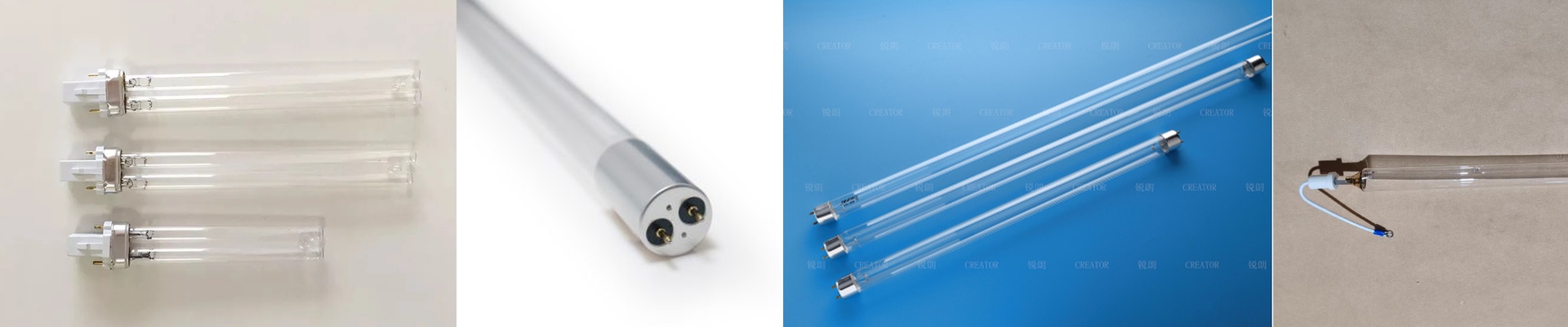
Here’s the thing: we make UV lamps for the food industry, and they’re built for one purpose—to zap germs fast. These aren’t your average lights. They’re compact powerhouses, engineered to blast surfaces and air with high-intensity, shortwave UV. We’re talking about the kind of disinfection you can count on, over and over again, right where you need it most. On processing lines. Packaging lines. In storage areas. Wherever speed and repeatable sanitation are non-negotiable.
What’s Under the Hood
Let’s get into how these things actually work. These lamps run on a serious jolt of power—typically around 400V—to fire up the arc inside a short, 300mm quartz tube. That power, around 2500W, is what gives you that intense, focused UV output. It’s how we get microbes knocked out quickly across a specific zone. That kind of power lets you use a smaller lamp than you might expect for the job. But here’s the catch: that power also creates serious heat. So, the fixture and the equipment around it need to be ready for it. Proper cooling and spacing aren’t just suggestions—they’re a must.
The Build and the Details
We fill these lamps with halogen gas inside a special UV-grade quartz tube. This combo keeps the arc steady and the output consistent over the life of the lamp. The shortwave light is tuned for maximum germ-killing effect, and the quartz itself can handle the shock of being switched on and off again and again. And when it’s time to swap out a lamp? The R7s bi-pin connector makes it a no-brainer. No tools needed. It’s a solid, secure connection every time. Just keep an eye on things. The quartz can get a film on it over time, which dims the UV output. A quick routine check and a clean will keep it running at its best.
Why It Works for Food
In a food setting, these lamps shine. They give you a fast, chemical-free way to disinfect conveyors, chutes, and packaging surfaces. Their compact size means they slip right into those tight spots on machinery. And that R7s base? It makes integration a snap—just a simple drop-in replacement. You get a serious amount of heat and UV power in a small package. But to keep everything running safely and reliably, you’ve got to manage the shielding, the safety interlocks, and the cooling. Get that right, and you have a system that’s both tough and compliant.