Getting Your IR Heat Right for Different Brake Pads
Here’s the thing about curing brake pads: you can’t just throw them in the oven and hope for the best. If you try to use the same heating setup for ceramic pads that you use for semi-metallics, you’re going to have a bad time. It all comes down to how the materials actually “drink” the heat.
The “Skinning” Nightmare
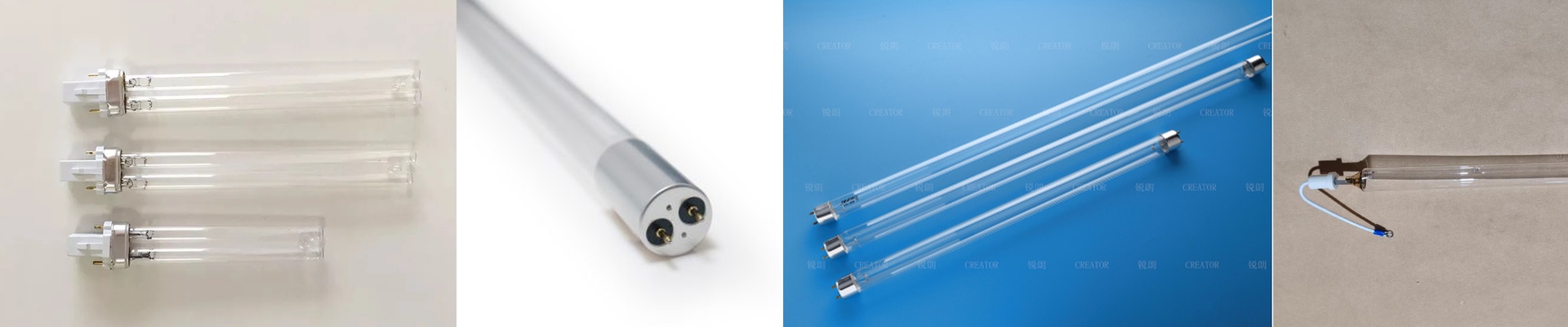
Ceramic and semi-metallic pads don’t react to infrared light the same way. Semi-metallics, for example, move heat around differently and have their own specific “sweet spots” for absorption. If you just use some generic IR lamp, you run into a nasty problem calledskinning. That’s when the outside of the pad looks perfectly toasted, but the core is still raw. It’s a disaster. That’s why we don’t do “generic.” We tune the wavelength of the heating element to match exactly how your specific friction material absorbs heat.
Finding the Right Balance
We start by looking at your target core temperature and how fast you need to get there. For those ceramic-heavy mixes, we lean into short-wave IR. It punches deeper into the material so the middle actually cooks. With semi-metallics, we dial back the wattage density so you don’t scorch the surface. But you have to be careful with the power. Sure, cranking up the wattage gets you to temperature faster. But it also puts a ton of stress on the quartz envelope. If your conveyor speed isn’t dialed in perfectly, you’ll burn through your elements way too fast.
The Real-World Trade-offs
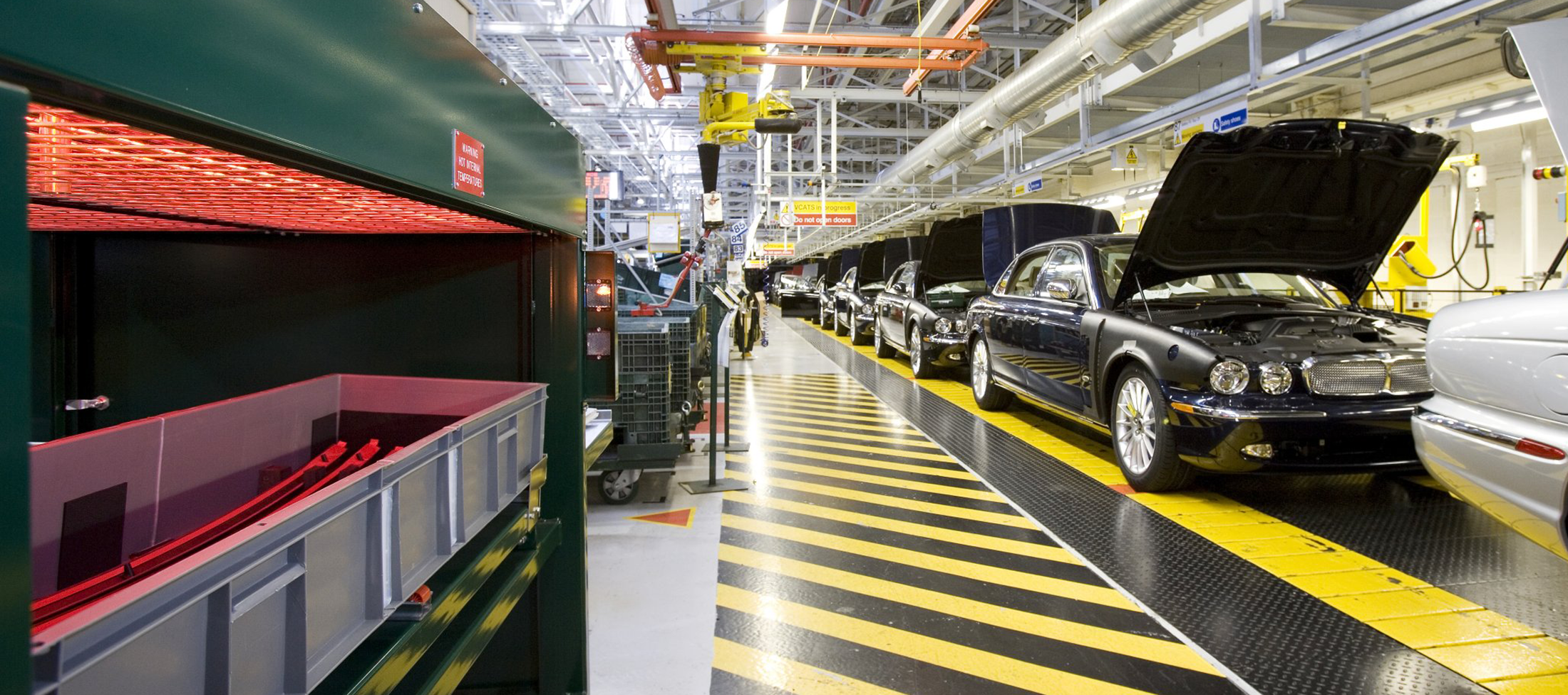
Once these elements are in your oven, where you put them is everything. One bad spot and you get “cold spots” across your pads, which ruins the whole batch. We design the layout to make sure the bake is even from edge to edge. Just a heads-up: if you push for high heat density to shave a few seconds off your cycle time, your oven housing is going to feel it. You’ll need a much more aggressive cooling strategy. Plus, those reflectors will take a beating. You’ll find yourself cleaning them more often just to keep things running efficiently. We’ll give you all the wavelength data you need so you can pick the lamp that actually fits your material’s curve.