Stop the Warp: Getting Your Auto Interior Parts to Actually Stay Put
Ever pull a part out of the thermoformer only to watch it slowly curl or spring back right in front of you? It’s frustrating. You’ve done the work, but the part just won’t sit still. The problem is usually internal stress. If you don’t kill those stresses during the heating cycle, the material will eventually “fight” itself, and you’ll end up with a warped piece of plastic.
Why “One Size Fits All” Heating Fails
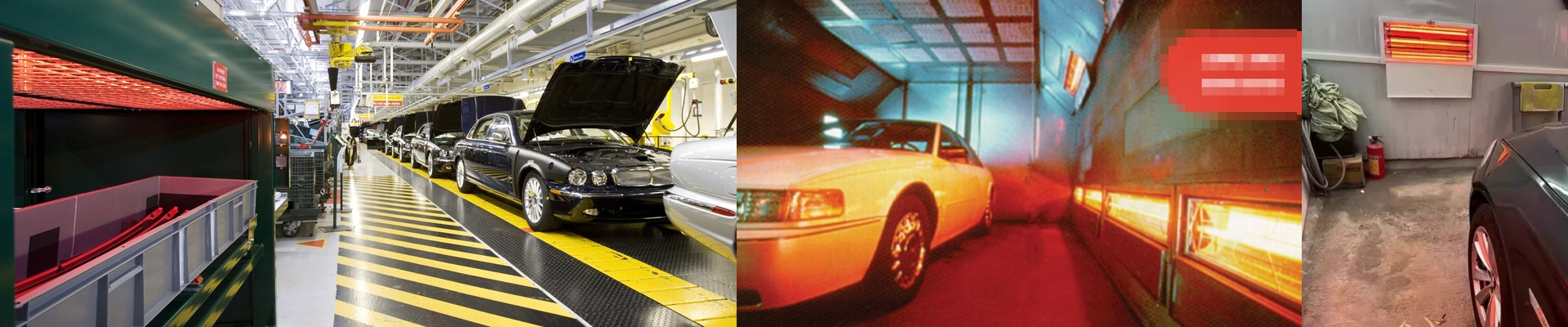
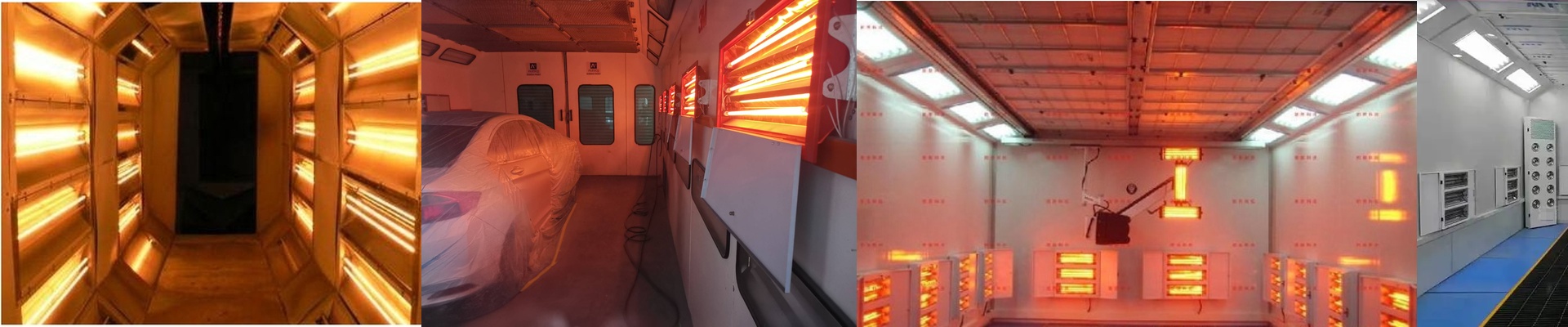
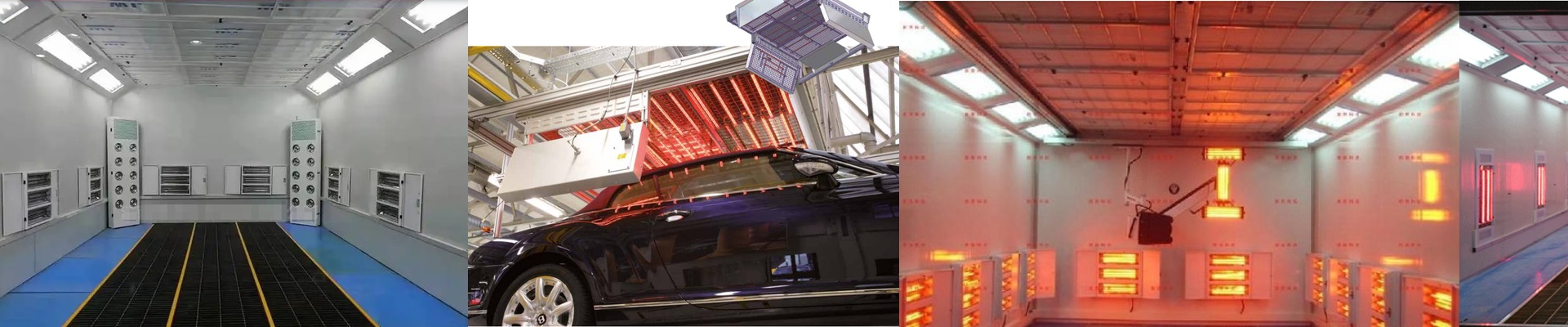
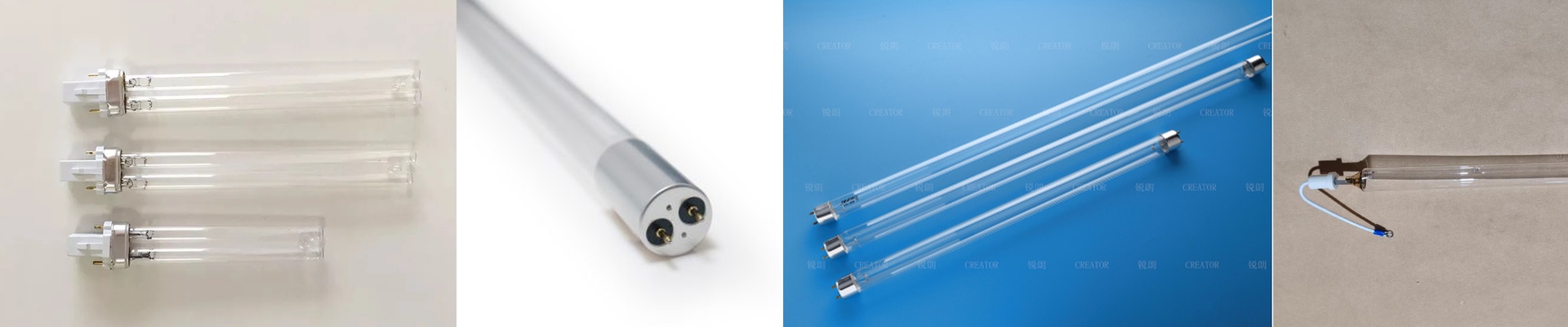
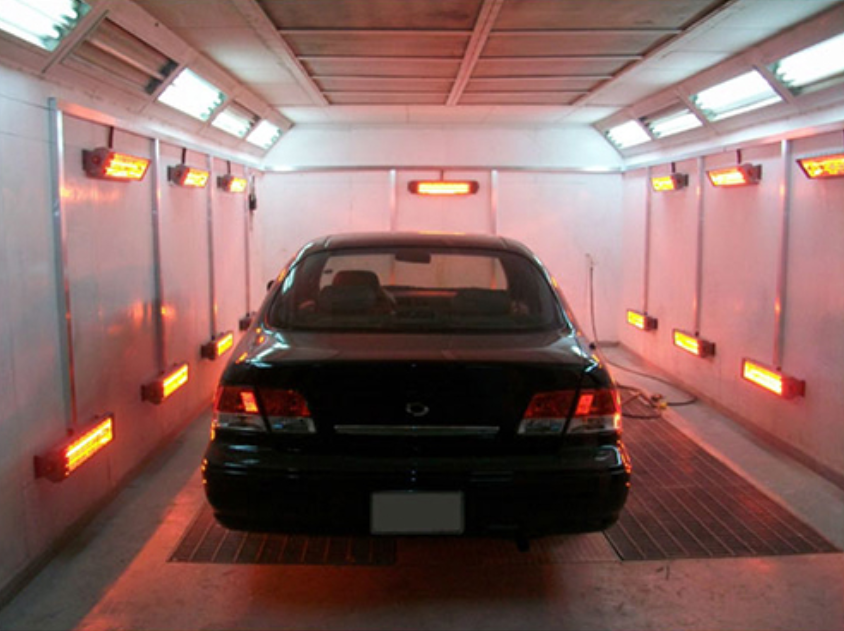
Most people just throw the whole part into a standard oven and hope for the best. But here’s the thing: your parts aren’t flat sheets. They have curves, thick ribs, and thin edges. Thick sections hold onto heat way longer than the thin bits. When you heat everything the same way, you get uneven shrinkage. That’s why we stopped using bulk heating and switched to zoned infrared (IR) control. Instead of a blanket of heat, we use IR arrays to hit specific spots. You can crank up the power in one corner and dial it back in another, making sure the material hits that sweet spot—the glass transition temperature—exactly where it needs to.
Letting the Stress Out
If you want a part that stays within spec, you have to manage how it cools. When you just let a part crash-cool, you lock in all that tension. It’s like a coiled spring waiting to pop. With zoned heating, you can create a controlled cooling gradient. It feels more like a slow fade than a sudden drop. This keeps the material relaxed as it sets. The result? You get a part that’s actually straight, which means you can stop wasting time with manual trimming or secondary heat-setting just to fix a mistake the machine made.
The Trade-offs (Because Nothing is Free)
Now, there is a catch. Zoned IR systems make your control cabinet a bit of a mess. You’re going to need separate PID controllers and SSRs for every single zone, or you’ll deal with temperature overshoot. It takes up more room and puts a bigger load on your electrical system. If your power supply isn’t beefy enough to handle every zone firing at once, you’re going to be tripping breakers all day. My advice? Map out the thermal mass of your part first. Find out where the heat sinks are. Once you have that map, wire your zones to compensate for those cold spots. It’s a bit more work upfront, but it’s the only way to actually nail those tight tolerances on big interior trim pieces.