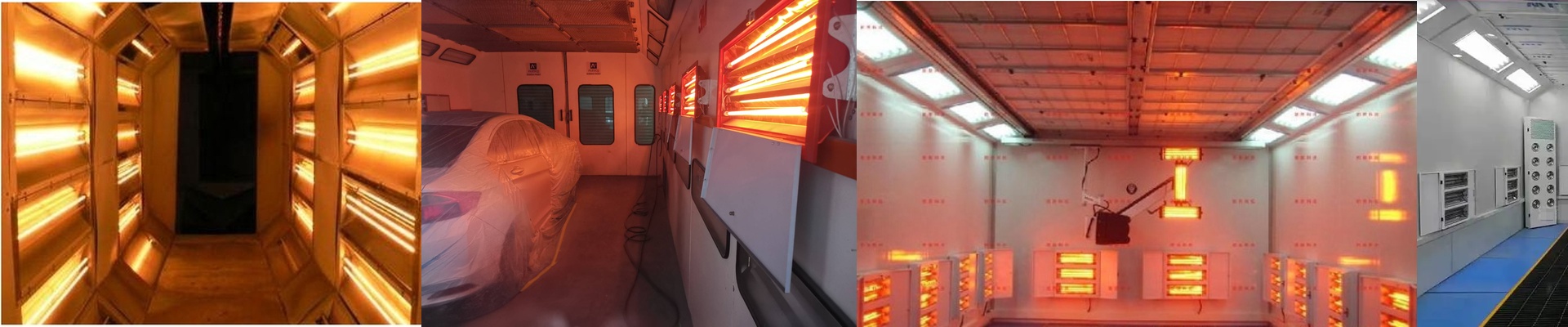
Getting Your IR Heaters Right for Different Brake Pads
Here’s the thing about brake pads: they aren’t all built the same. If you try to use a one-size-fits-all infrared setup for both ceramic and semi-metallic pads, you’re asking for trouble. You’ll likely end up with some spots that are scorched and others that aren’t cured at all. That’s why we don’t just sell a “heater.” We tune the equipment to match how your specific materials actually soak up heat.
Why the material matters
It comes down to how the pad reacts to the light. Semi-metallic pads have a lot of metal in them, so they grab onto short-wave IR pretty easily. But ceramics? They’re a different story. If you don’t get the wavelength just right, the heat just sits on the surface. It’s like trying to warm up a frozen steak with a heat lamp—the outside gets hot, but the middle stays ice cold. In the braking world, those “cold spots” in the core are a disaster. They lead to structural failure the moment the driver hits the brakes hard.
The trick to heat density
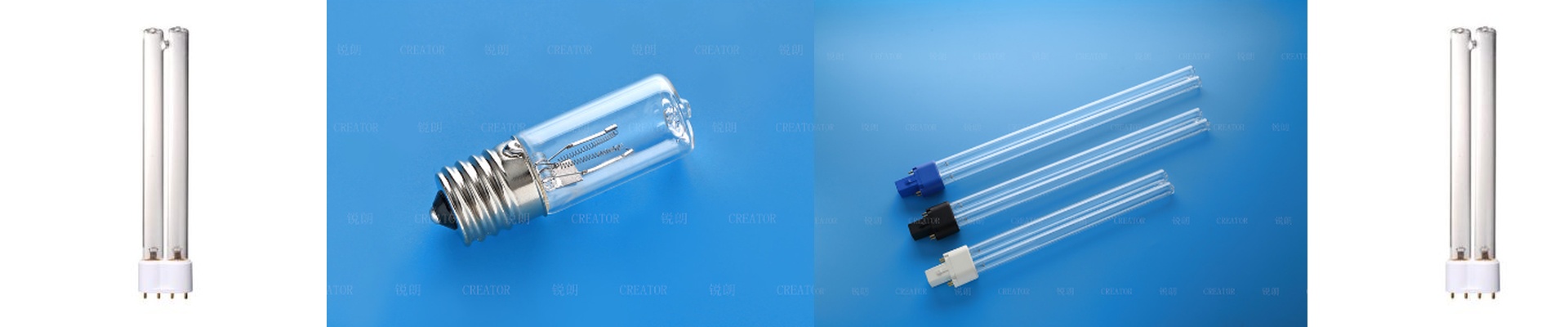
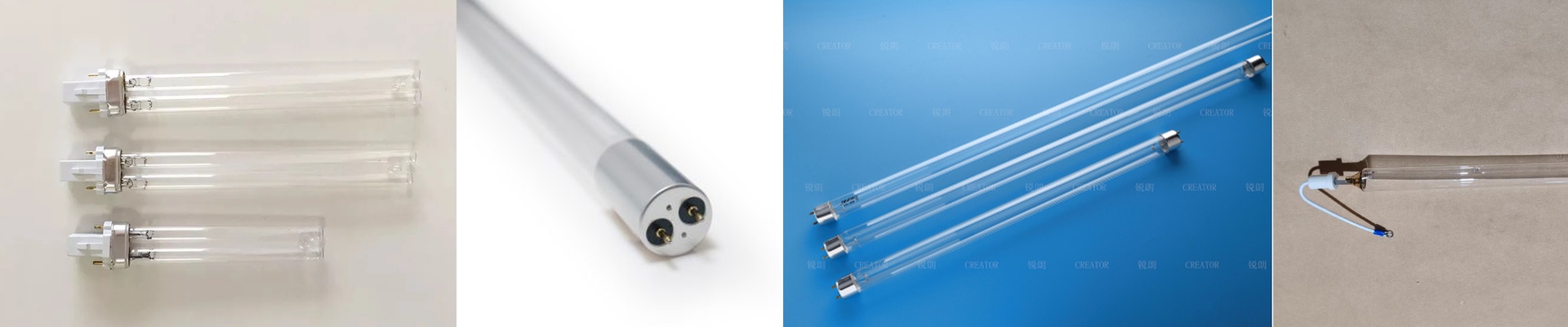
To keep your production moving, we use high-wattage quartz elements. But we don’t just focus on raw power. We look at heat density—basically, how many watts are actually hitting every square inch of that pad. I’ve seen people try to fix a curing problem by just cranking up the voltage.**Don’t do that.**All that does is burn the binder and ruin the part. Instead, we tweak the filament length and the thickness of the quartz to keep the output steady. We also use heavy-duty connectors because these lamps go through a lot of thermal stress. Without them, you’re looking at arcs and burnt-out lamps.
A few things to keep in mind
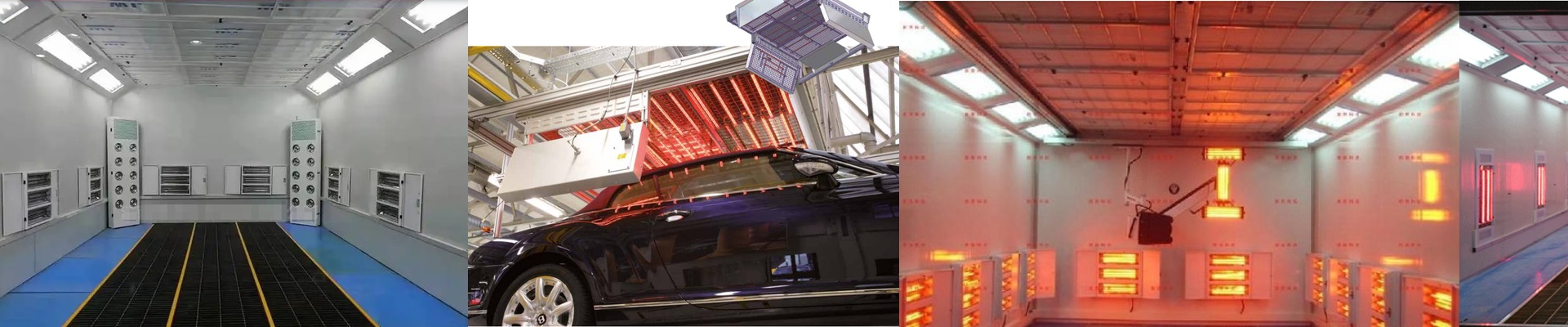
High-intensity IR is fast. Really fast. And that’s great for your cycle times, but it does put a heavy load on your electrical system. These heaters pull a lot of current. You’ll want to make sure your power supply and cabling can handle the peak load. If they can’t, you’ll deal with voltage drops that mess with your consistency. And one last thing: these lamps get incredibly hot. If your oven’s ventilation isn’t up to the task, that ambient heat just builds up and kills the life of your lamps. Make sure your airflow is solid before you flip the switch.