Getting Your IR Wavebands Right for Different Brake Pads
Here is the thing about curing brake pads: you can’t just set it and forget it. If you treat a ceramic pad the same way you treat a semi-metallic one, you’re asking for trouble. You’ll either end up with a core that isn’t cured at all, or a surface that’s completely scorched. It all comes down to how the material actually “drinks” the heat.
The nitty-gritty of absorption
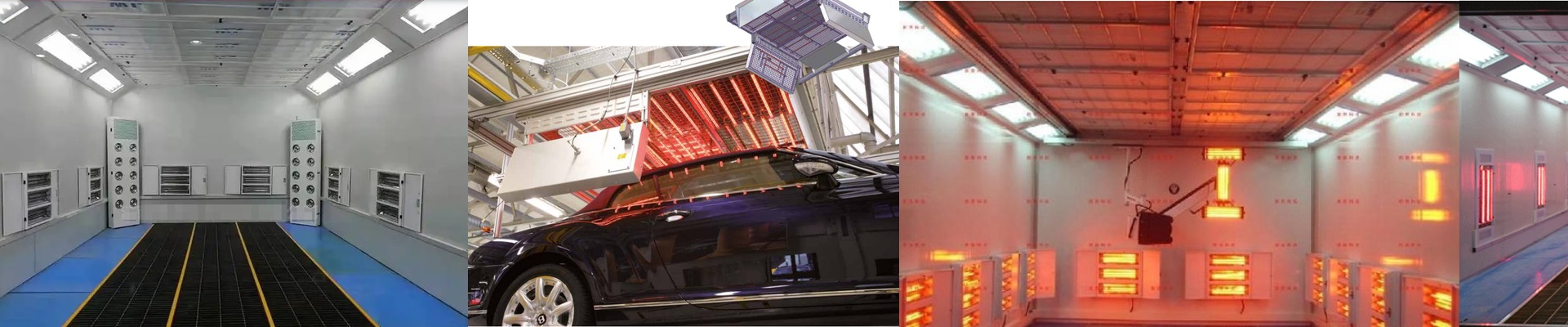
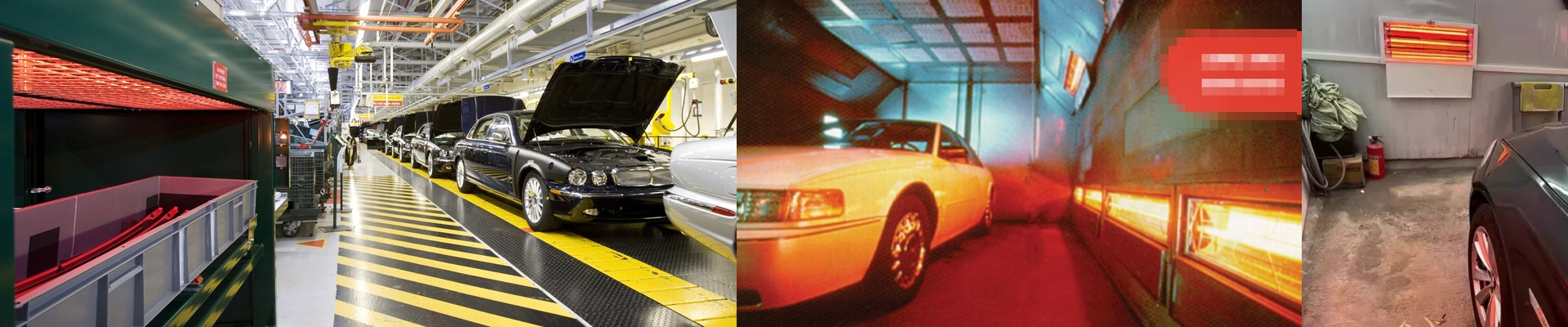
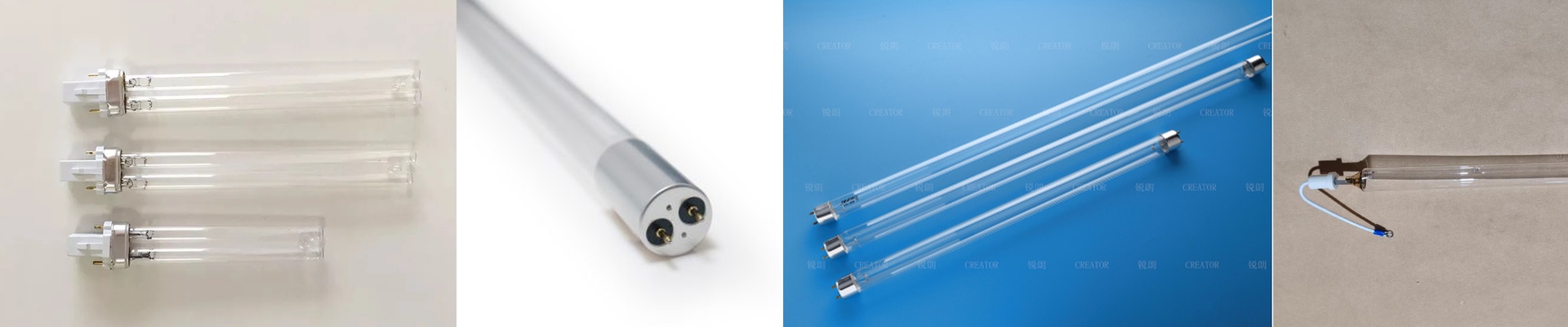
Ceramic pads are packed with silica and binders. They aren’t in a rush. They play much nicer with medium-wave IR, which lets the heat soak in properly. Semi-metallics are a different beast. With all that steel and copper, they grab short-wave energy almost instantly. That’s why we use short-wave halogen tubes for them. It hits those metallic particles hard and fast, pushing the heat deep into the material where it belongs.
Finding the sweet spot
You can’t just plug in a lamp and hope for the best. We spend a lot of time tweaking the wattage and the distance. Why? Because if you blast the pad too hard, the surface temperature spikes. When that happens, the binders basically “gas out,” leaving tiny holes and voids in the pad. It ruins the integrity of the part. You have to find that balance between how much power you’re throwing at the pad and how fast the conveyor is moving. It’s a bit of an art.
The trade-off with high-power systems
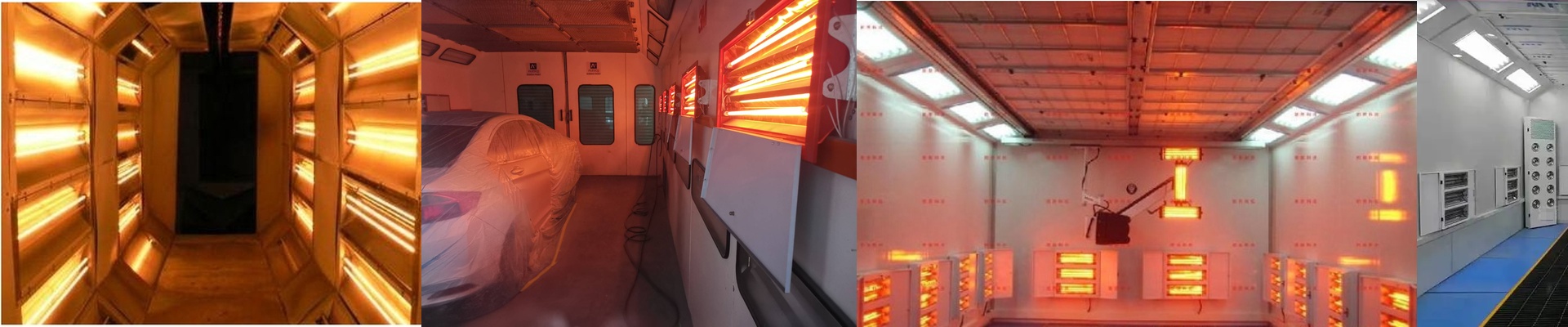
It’s tempting to cram as many kilowatts as possible into a small space to speed up production. More parts per hour sounds great on paper. But there’s a catch. Those high-wattage short-wave lamps run incredibly hot. They beat up your reflectors. If you aren’t checking your alignment every month, you’re losing money. Once that gold or aluminum coating starts to degrade, your efficiency tanks and your curing becomes patchy. **My advice?**Stick to a strict cleaning schedule. Keep the heat focused on the pads, not warming up the oven walls.