Getting the Heat Right: Dealing with Different Car Sizes in Paint Curing
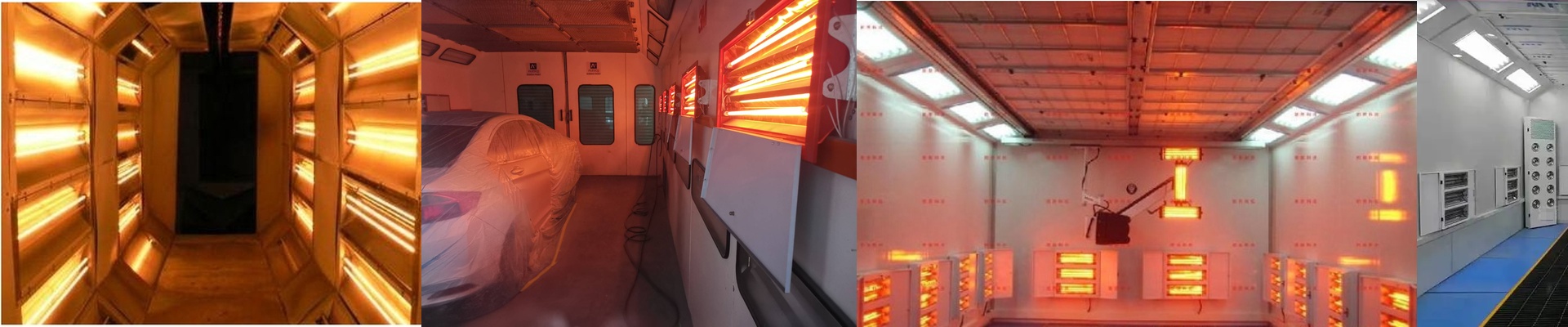
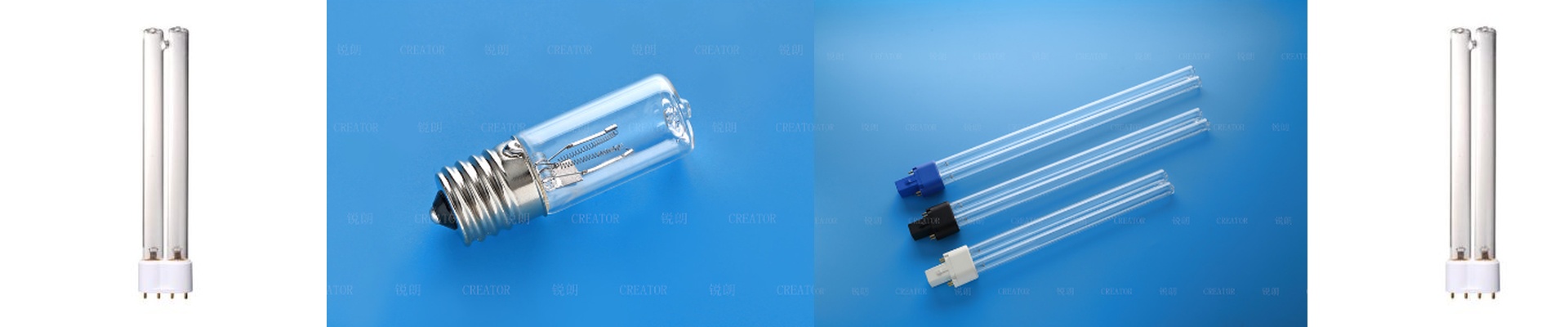
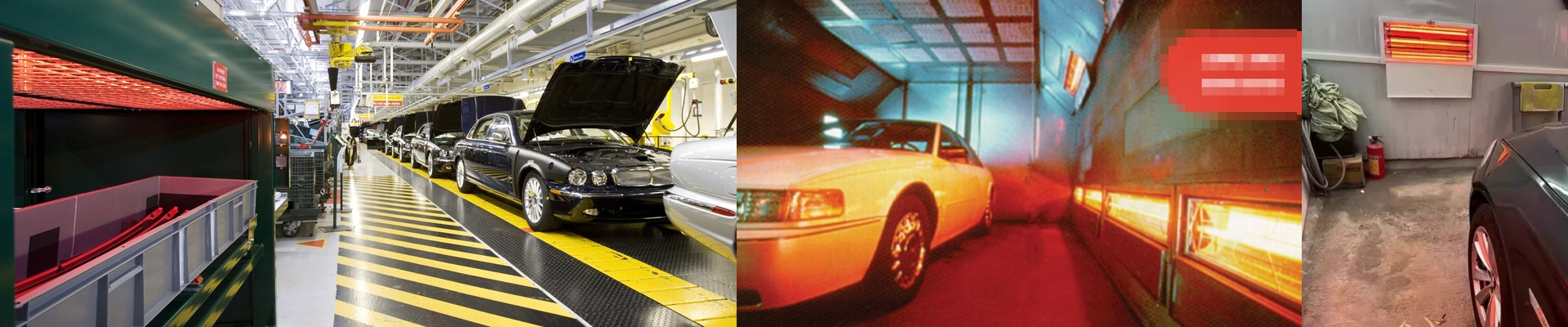
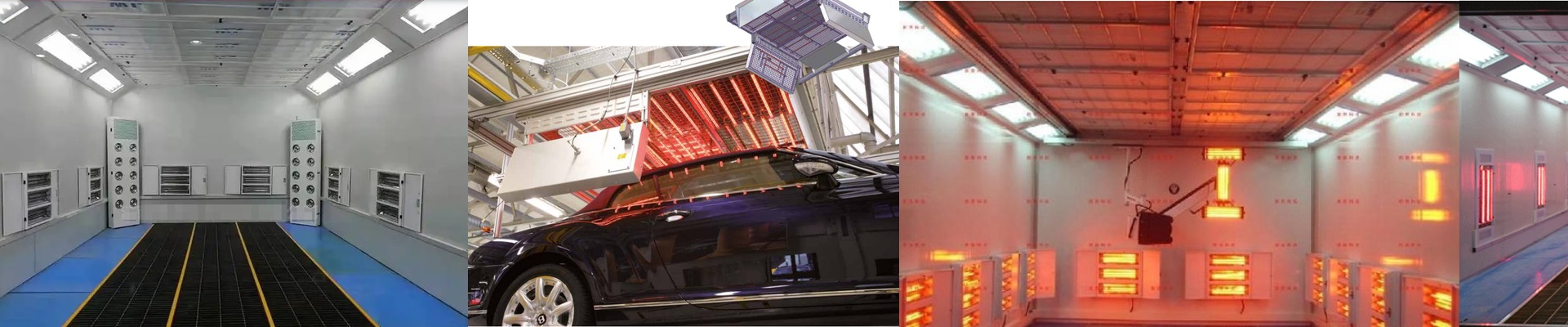
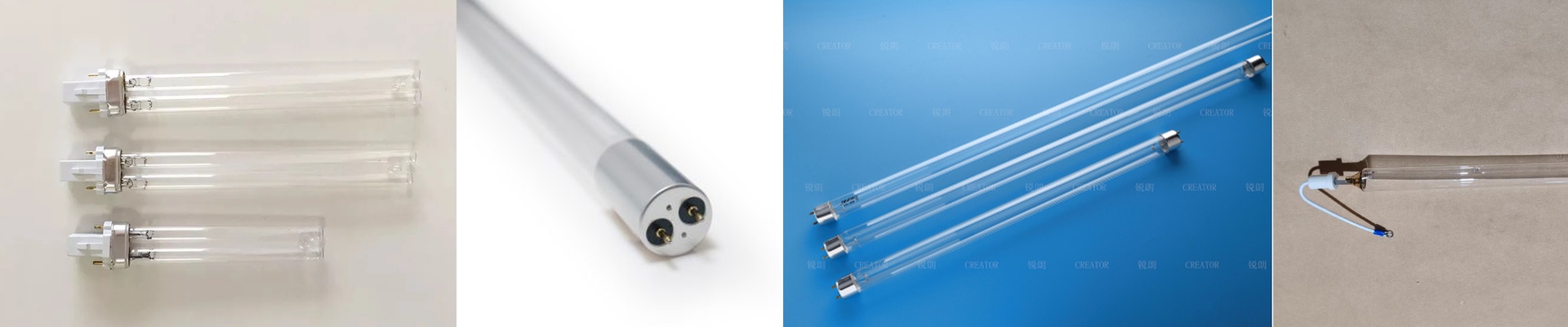
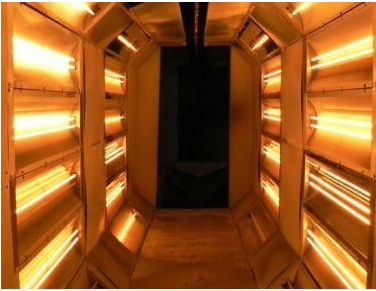
When you’re building a custom heating wall for a paint room, the hard part isn’t actually making the heat. That’s the easy bit. The real headache is making sure that heat actually hits the chassis where it needs to. Think about it. You’ve got low-slung sports cars and massive SUVs coming through the same line. If you just stick your lamps in a standard grid, you’re going to have a problem. You’ll end up scorching the paint on the small cars while the top of the SUV stays cold. Not ideal. Mapping out the heat To stop that from happening, we stop thinking about “even spacing.” Instead, we look at the actual footprint of the vehicle. We put the high-wattage lamps—or just pack them closer together—right where the paint is thickest, usually the mid-section and the lower panels. There’s also a bit of physics to deal with here. The further away the lamp is from the car, the weaker the heat gets. It drops off fast. So, we tweak the vertical gap between the lamps to make sure the heat feels the same across the whole side of the car, regardless of the height. The hardware struggle We usually go with shortwave quartz lamps. They’re great because they hit the target almost instantly. But they’re intense. If you cram too many of them into a tight space to cover a wide area, you’re basically building a toaster. You risk overheating the entire wall frame. To keep the reflectors from warping, you’ll need some serious aluminum heat sinks or some forced-air cooling humming along behind the lamps. A smarter way to layout the wall Here’s a trick: use a modular rail system. Instead of bolting everything down, you make the lamp holders slide up and down. If your production shifts from sedans to vans, you just slide the lamps and re-index the whole thing in a few minutes. It’s a lifesaver. You won’t have to worry about under-curing a roof or burning through a door panel. Just keep an eye on your power supply—if you group all those high-wattage tubes into one tight zone, it’s going to pull a lot more juice.