


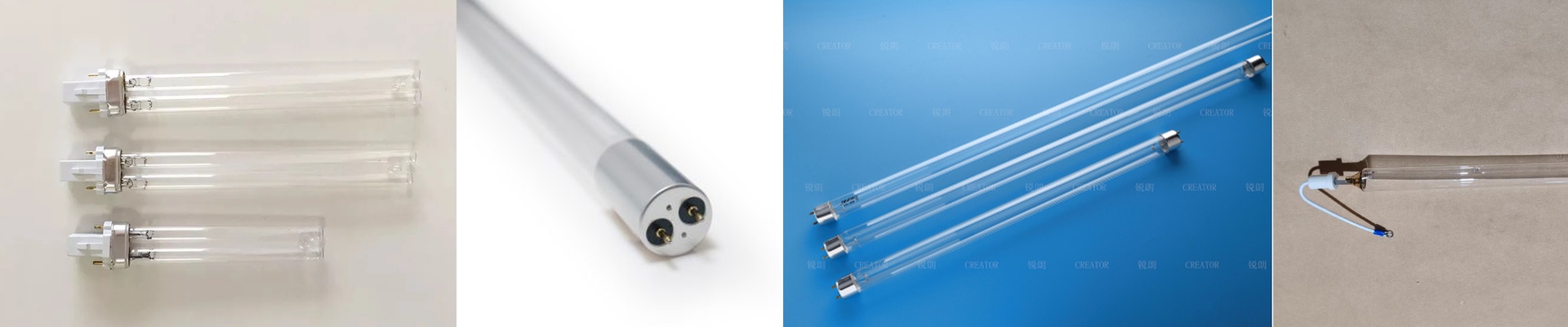

On the press floor, heat isn’t the enemy—uncontrolled heat is. When your UV cure line needs steady spectral output and repeatable energy density, conventional lamps can drift into thermal runaway. That drift shrinks your cure window, and you end up with uncured ink or substrate distortion. We built our cold cathode UVC germicidal lamps around a simple idea: put controlled photon energy where it needs to be, without turning the lamp into a space heater. What matters, technically Cold cathode UVC lamps run with low electrode temperatures, so output stays stable and lamp behavior is predictable over time. The 254nm emission stays tightly centered, which gives you repeatable germicidal action and consistent initiation for certain photoinitiator chemistries. Peak irradiance comes in short pulses, not a broad thermal plateau, so the energy hits the ink surface with minimal soak into the substrate. You get stable output curves, less heat load on the reflector assembly, and a form factor that fits into compact cure stations without scrapping the whole dryer tunnel. Why this works in the real world In UV offset, flexo, and screen setups, you have to hit the same cure on every pass. Cold cathode UVC delivers that repeatability because the spectral profile holds steady—less swing than you see with hot-cathode systems when power fluctuates or the lamp ages. The payoff is fewer rejects, better color hold, and less downtime chasing cure drift. Energy use drops because you’re delivering targeted photon output, not dumping energy into infrared. And with cooler-running electrodes, lamp life is more predictable, so maintenance windows hold fewer surprises. Here’s what to keep straight Cold cathode lamps need a matched ballast and the right ignition profile—don’t try to run them off a generic power supply. Output is sensitive to spacing and reflector alignment, so confirm your cure distance and that the reflector’s dichroic coating is matched to the 254nm profile. These lamps are ozone-free in standard configurations, but any UVC source still demands proper shielding and interlocks. The thermal profile is different than what you get with high-pressure mercury, so plan your cooling and airflow accordingly.