

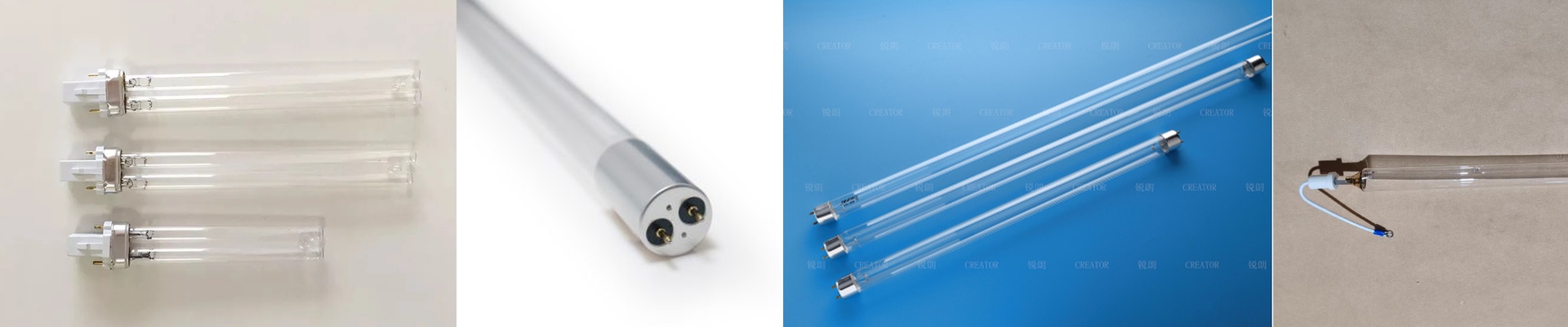


On the press floor, lamp downtime and a dip in irradiance don’t just slow things down. They turn straight into scrap, reruns, and overtime. We’re not debating whether UV curing works. The real question is whether the lamp can hold the energy density needed to fully polymerize the ink, run after run. What actually matters, technically We measure performance where it counts: peak irradiance at the substrate, stable spectral output, and output that holds steady hour after hour. High-pressure mercury vapor lamps are built around the photoinitiator absorption bands—strong output at 365nm for deep cross-linking, and usable energy at 385–405nm for surface cure. Long life and low decay come down to controlling electrode erosion, keeping arc gap geometry stable, and using a reflector with a dichroic coating that bounces useful UV back into the beam while managing infrared heat. The payoff is a lamp that holds output in a tight band, so you hit the same mJ/cm² at the same line speed, all shift. Why this matters on the shop floor When the goal is lower cost per piece, the quickest lever is fewer lamp changes and less energy spent compensating for a weak lamp. A long-life, low-decay UV lamp stretches the time between swaps, cutting spare inventory and service labor. It also keeps curing energy consistent, which reduces rejects from under-cure—tack, scuffing—and over-cure—brittleness, yellowing. Stable spectral output means fewer speed cuts to protect cure, so you keep throughput up and bring energy per unit down. The details that make it happen Long lamp life depends on getting ignition and operating parameters right. Hot re-strikes accelerate electrode wear and can cut service life, so match the lamp to a ballast and igniter profile that deliver stable starts. Confirm fit in the curing module—arc length, diameter, and end fittings have to line up to keep focal distance and irradiance uniform. And when the job calls for it, spec ozone-free quartz. Make sure cooling airflow meets the lamp’s thermal limits to protect coating integrity and keep output stable.
در خط تولید، توقف لامپ و کاهش شدت تابش تنها باعث کند شدن روند کار نمیشود؛ بلکه مستقیماً به ضایعات، تکرار تولید و اضافهکاری منجر میشود. بحث ما بر سر اثربخشی فرآیند پخت UV نیست، بلکه سوال اصلی این است که آیا لامپ میتواند چگالی انرژی لازم برای پلیمریزاسیون کامل جوهر را در هر بار عبور حفظ کند یا خیر.
آنچه از نظر فنی اهمیت دارد
عملکرد را دقیقاً در نقاط حساس اندازهگیری میکنیم: شدت تابش اوج در سطح زیرلایه، خروجی طیفی پایدار و خروجی که ساعت به ساعت ثابت باقی میماند. لامپهای بخار جیوه با فشار بالا حول باندهای جذب فتوشیمیایی طراحی شدهاند—خروجی قوی در 365nm برای پیوند عرضی عمیق و انرژی قابل استفاده در بازه 385–405nm برای پخت سطحی.
طول عمر بالا و افت کم به کنترل فرسایش الکترود، حفظ هندسه شکاف قوس و استفاده از بازتابندهای با پوشش دایکرویک بستگی دارد که UV مفید را به داخل پرتو بازمیتاباند و در عین حال حرارت مادونقرمز را مدیریت میکند. نتیجه این است که لامپ خروجی را در بازهای محدود حفظ میکند تا در تمام شیفت، در همان سرعت خط، مقدار مگاژول بر سانتیمتر مربع یکسانی به دست آید.
اهمیت این موضوع در محیط کارگاهی
وقتی هدف کاهش هزینه به ازای هر قطعه است، سریعترین راه کاهش تعداد تعویض لامپها و صرف انرژی کمتر برای جبران ضعف لامپ است. لامپ UV با طول عمر طولانی و افت کم، فاصله تعویضها را افزایش میدهد که باعث کاهش موجودی قطعات یدکی و نیروی کار خدمات میشود.
این لامپ همچنین انرژی پخت را ثابت نگه میدارد که منجر به کاهش رد شدن قطعات ناشی از پخت ناکافی—چسبندگی، خراشیدگی—و پخت بیش از حد—خشکی، زرد شدگی—میشود. خروجی طیفی پایدار به معنای کاهش کاهش سرعتها برای محافظت از پخت است؛ بنابراین بازدهی حفظ شده و انرژی مصرفی به ازای هر واحد کاهش مییابد.
جزئیاتی که این عملکرد را ممکن میسازند
طول عمر بالای لامپ به تنظیم صحیح پارامترهای راهاندازی و عملکرد وابسته است. راهاندازی مجدد گرم موجب تسریع فرسایش الکترود و کاهش عمر سرویس میشود، بنابراین لامپ باید با بالاست و پروفایل جرقهزن هماهنگ باشد تا راهاندازیهای پایدار فراهم شود.
سازگاری لامپ با ماژول پخت را تأیید کنید—طول قوس، قطر و اتصالات انتهایی باید دقیقاً منطبق باشند تا فاصله کانونی و شدت تابش یکنواخت باقی بماند. و زمانی که شرایط کار ایجاب میکند، از کوارتز بدون اوزون استفاده کنید. همچنین اطمینان حاصل کنید که جریان هوای خنککننده در محدوده حرارتی لامپ قرار دارد تا یکپارچگی پوشش حفظ شده و خروجی پایدار بماند.